The Second Sphinx of Giza: High resolution scan images revealed
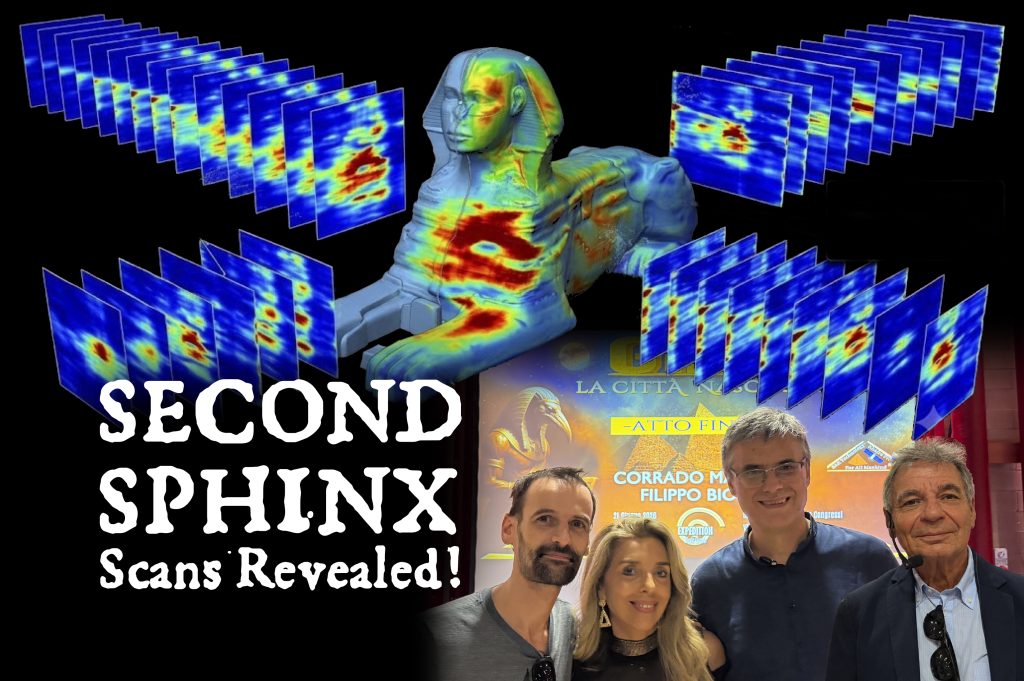
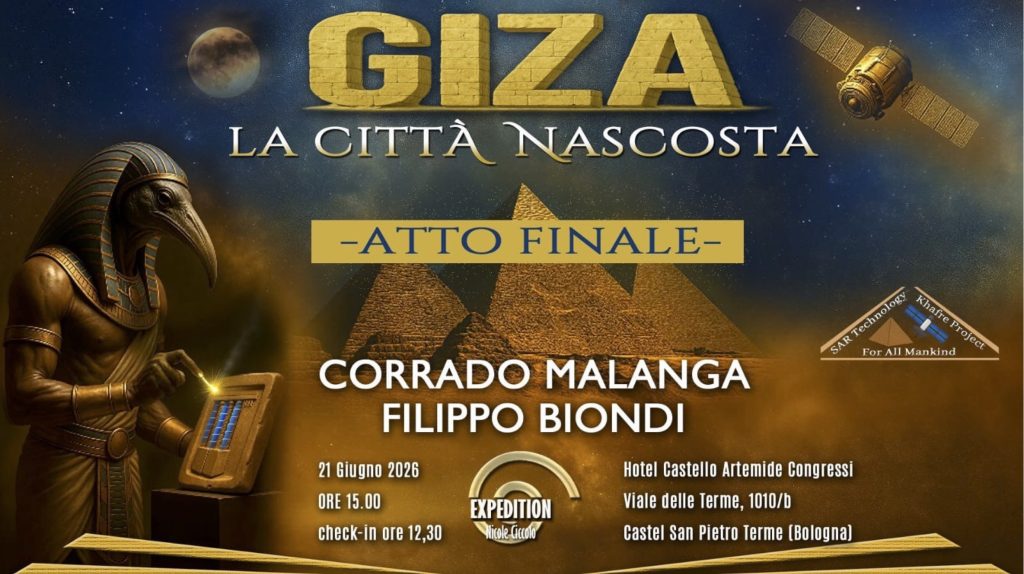
On June 21st, the Summer Solstice of 2026, Dr. Filippo Biondi and Dr. Corrado Malanga presented their discovery of a previously unknown buried Sphinx at the Giza Plateau, roughly the same size and shape of the known Great Sphinx. I attended the press conference in Bologna, Italy, and I have been in contact with the team for several years now, so in this article, I will share a complete review of all the material I have collected on the Second Sphinx discovery specifically. For more information about the Khafre Research Project‘s Giza scans in general, I have a long playlist of videos covering the topic here, as well as a long list of resources and high resolution image galleries here.
By Trevor Grassi, June 26, 2026
The full press conference has been released in Italian language here, but we are presenting an English version shortly that will also be posted here. This will also include translated text on the slides.
Overview
The story begins with Damiano Piras who recently published a book entitled The Dawn of a New Sphinx. He kindly gave me an advance copy of the book earlier in the year and about a month later, it was making headlines globally. I was able to meet Damiano in person at the press conference, as his hypothesis was validated by SAR doppler tomography.
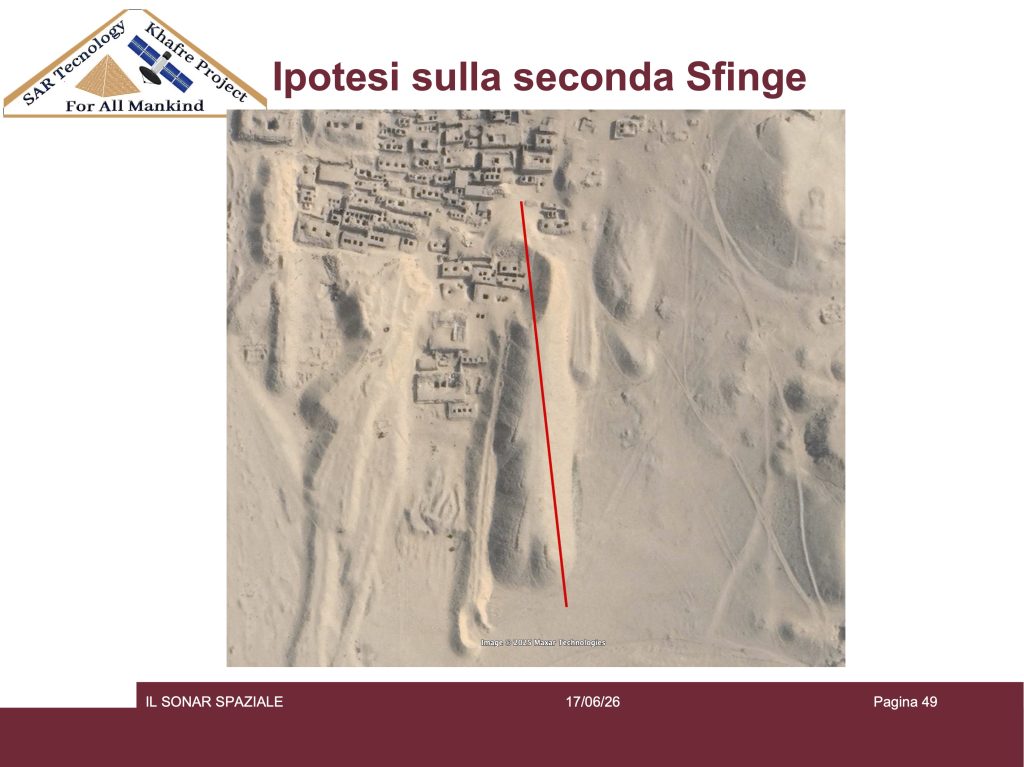
Damiano’s theory was based on various geometric and astronomical calculations that suggested the placement of a second sphinx facing west, just to the west of the Western Cemetery.
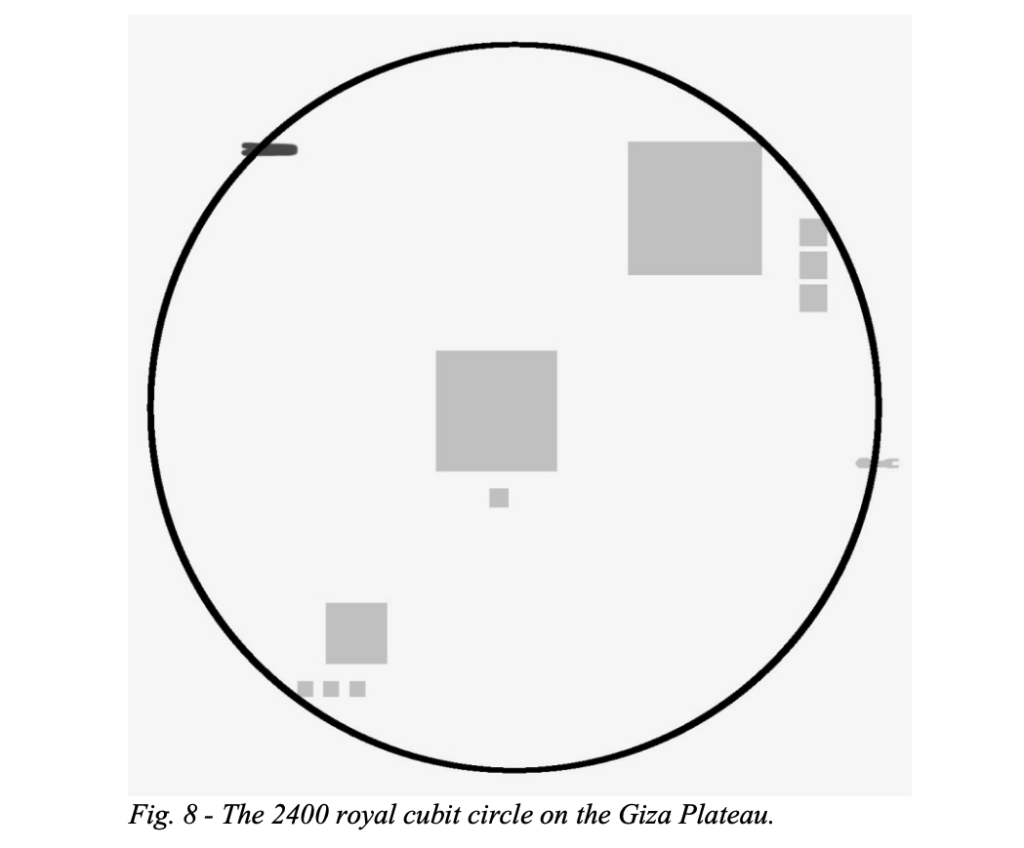
The position is mirrored by the Great Sphinx on the East, through the two largest pyramids, and significantly, along a line that defines the sun’s passage on the Summer Solstice. The Second Sphinx’s position and orientation would cast its view directly at the solstice sunset.
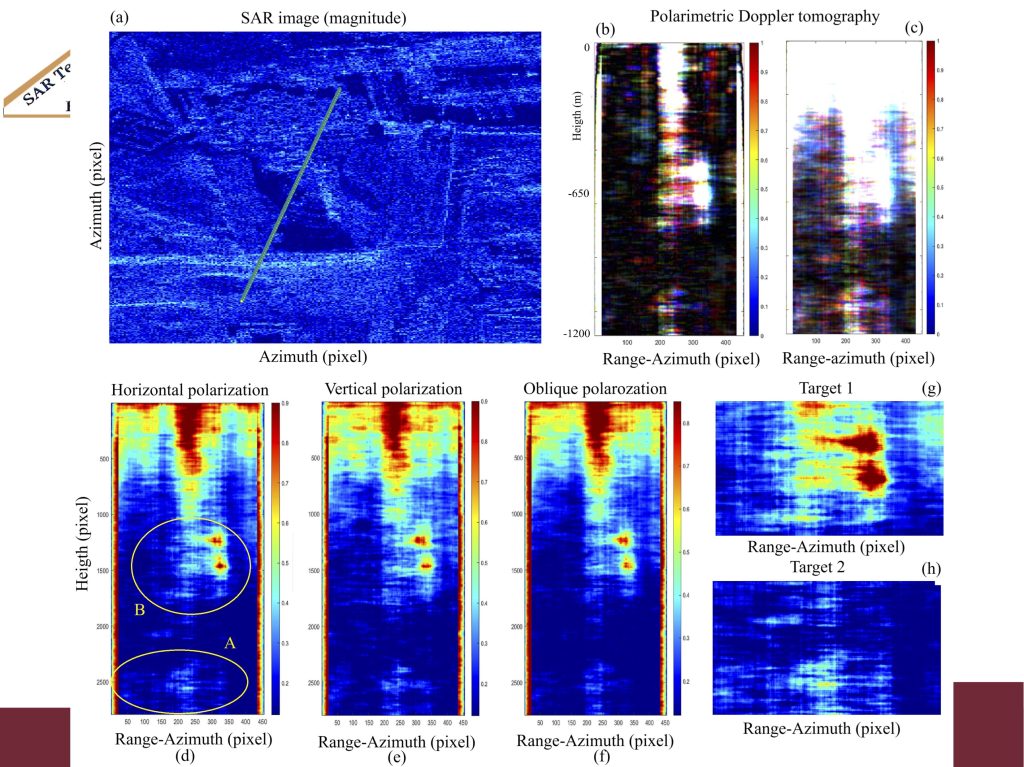
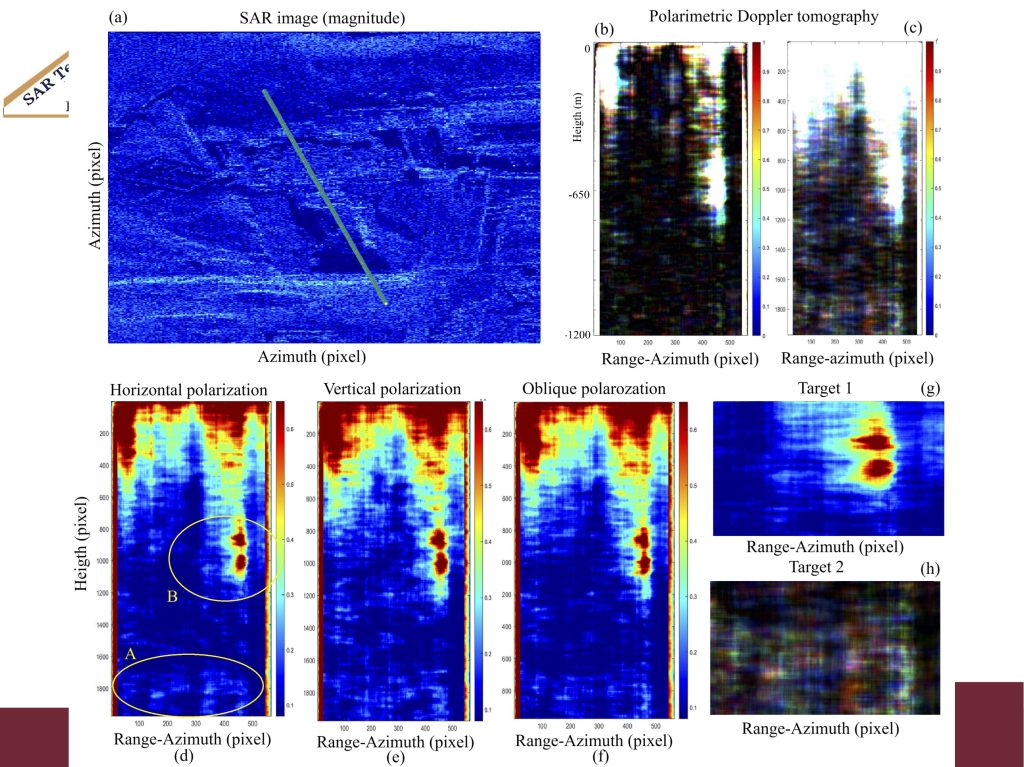
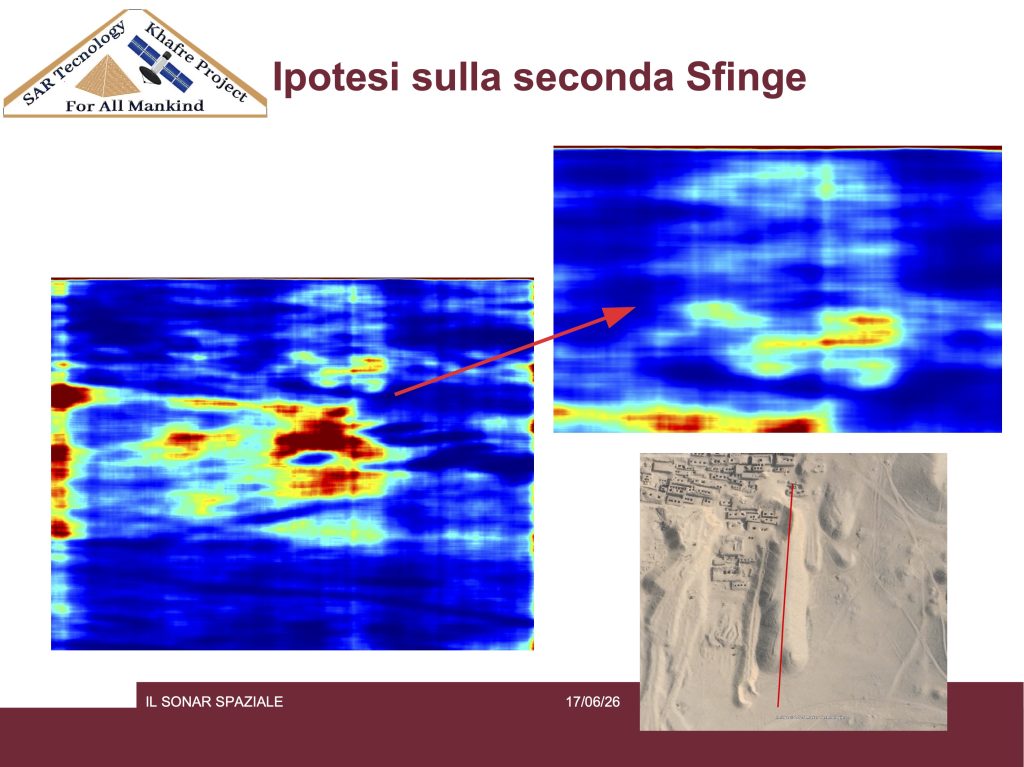
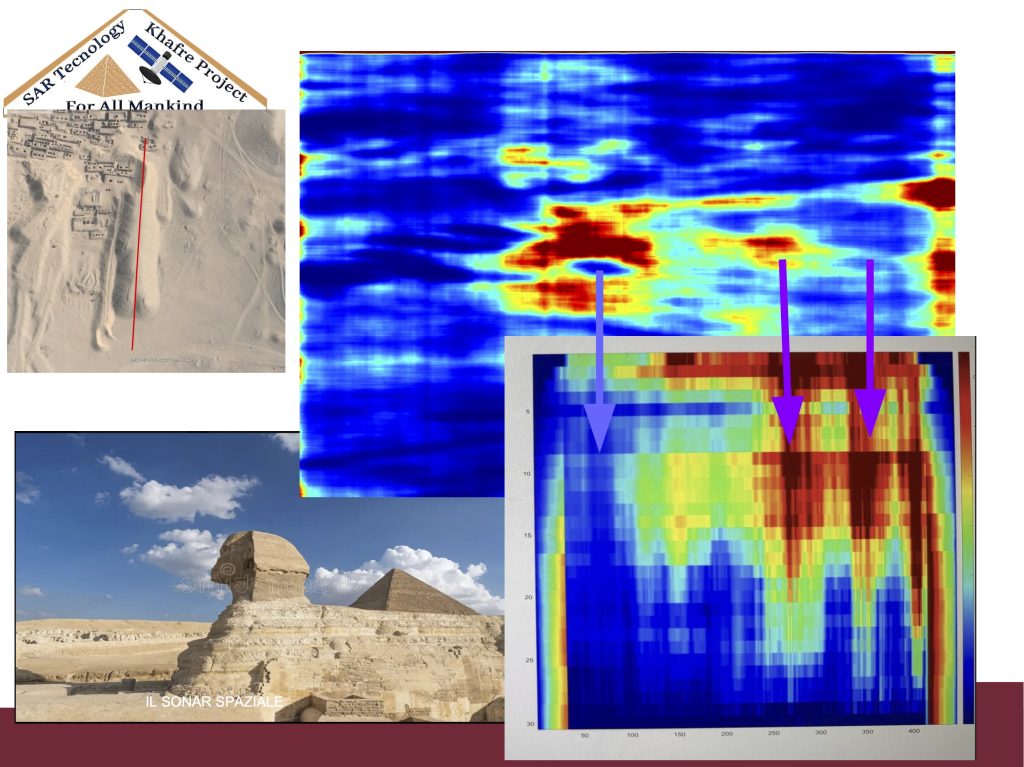
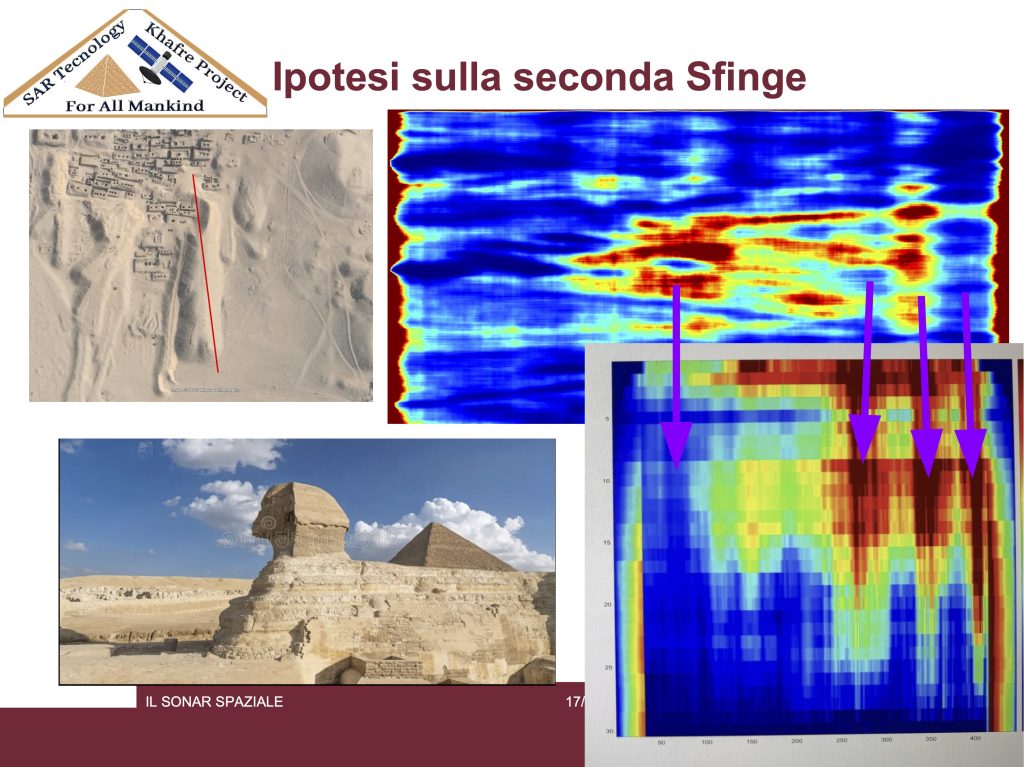
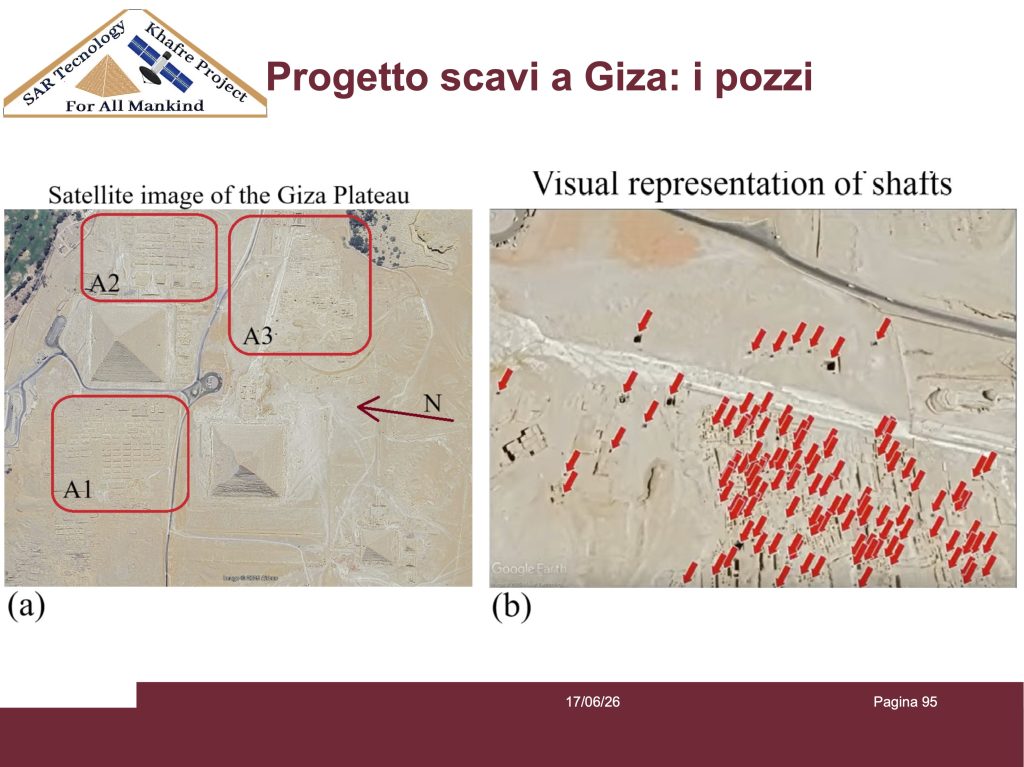
Based on his research, he asked Dr. Filippo Biondi to direct his satellite-based remote sensing equipment to the exact location. Using basic low resolution SAR data, Filippo was able to see several large shafts descending from the location.
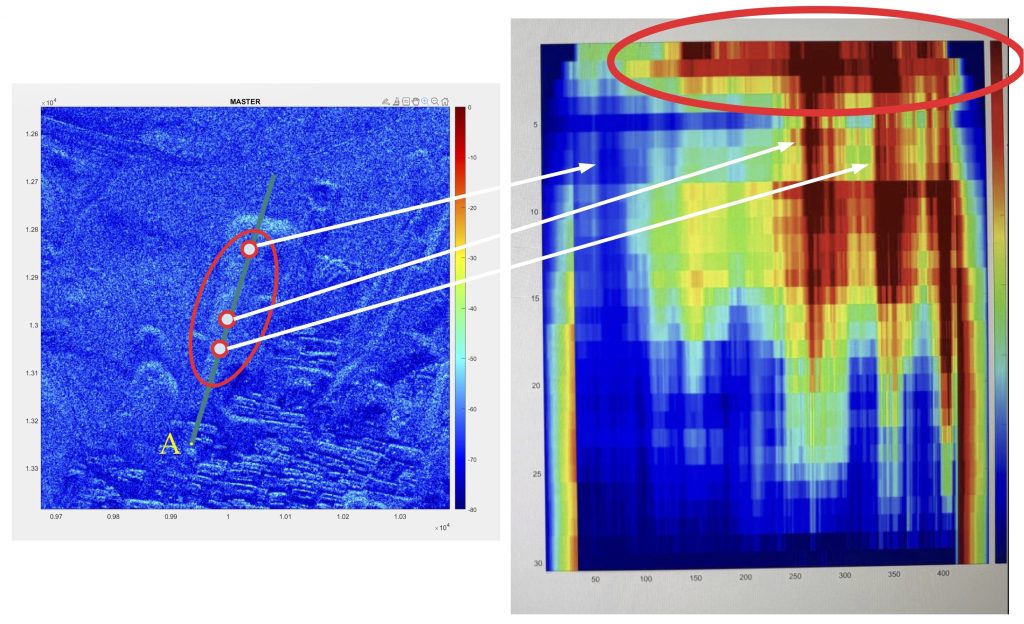
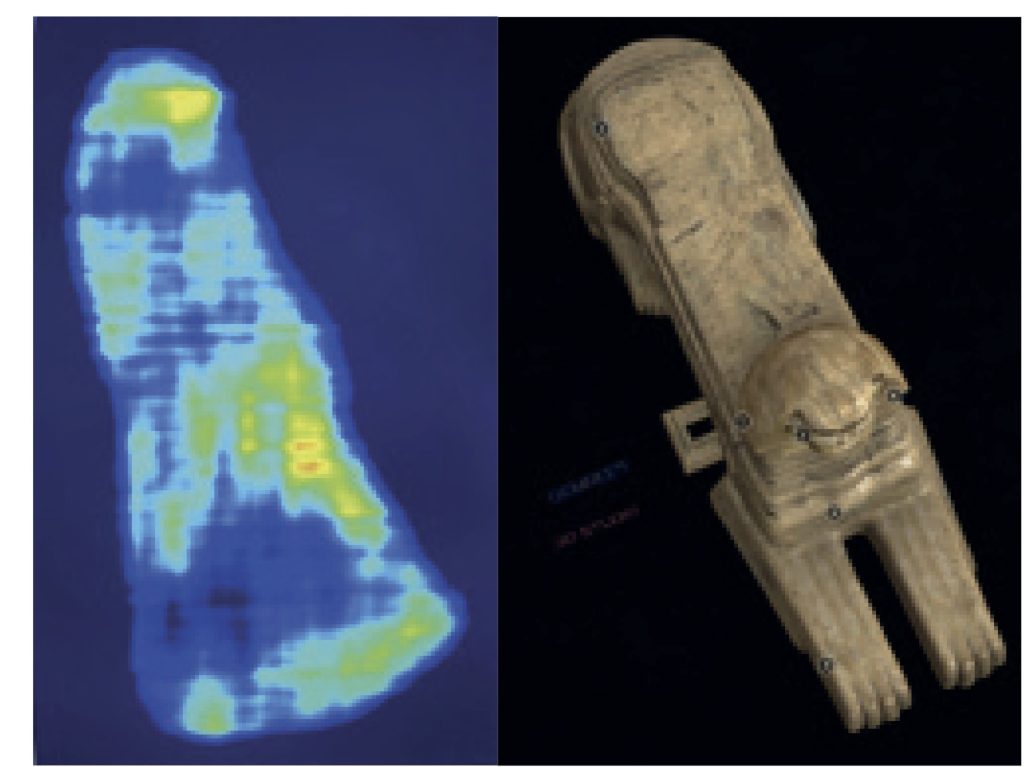
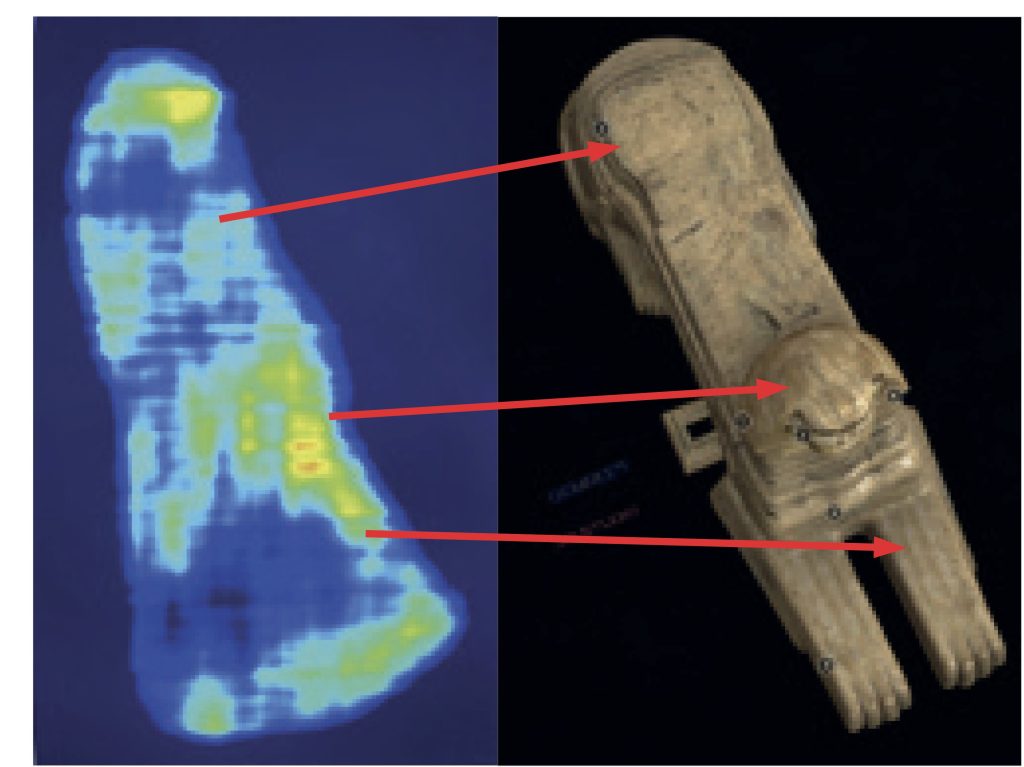
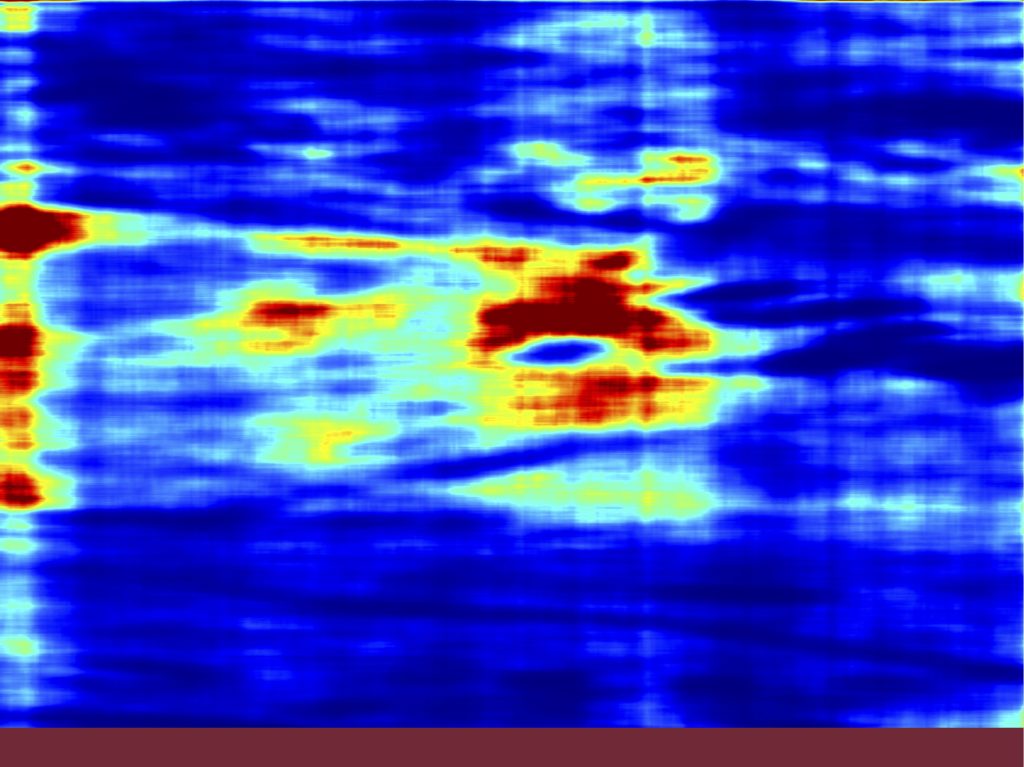
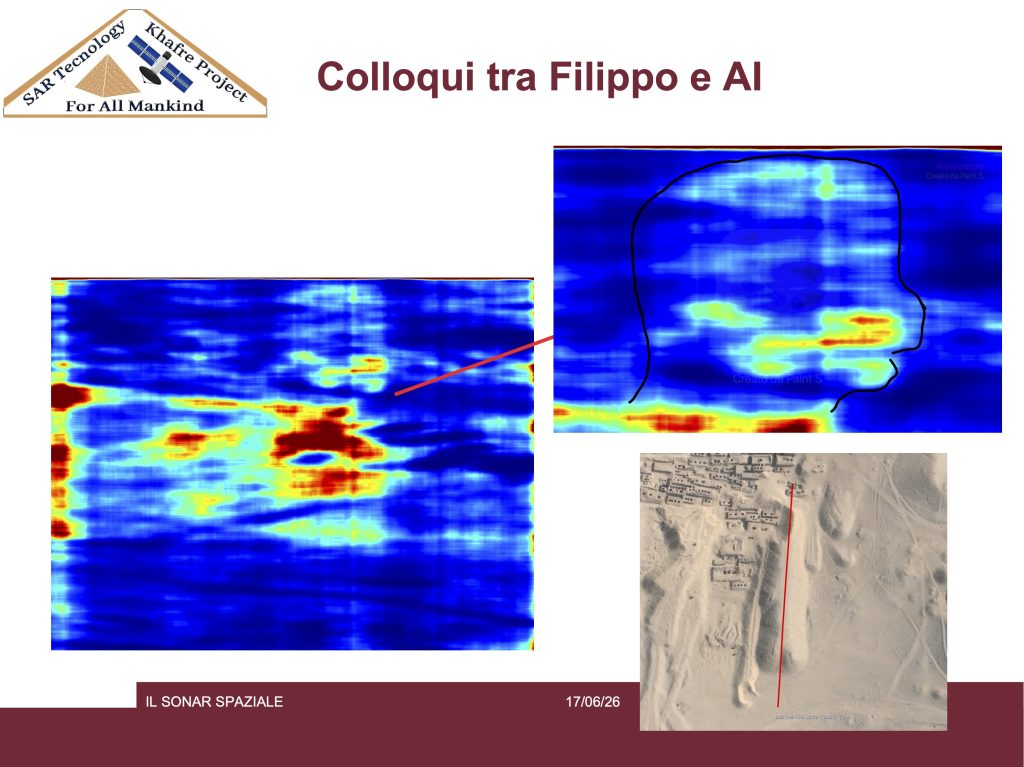
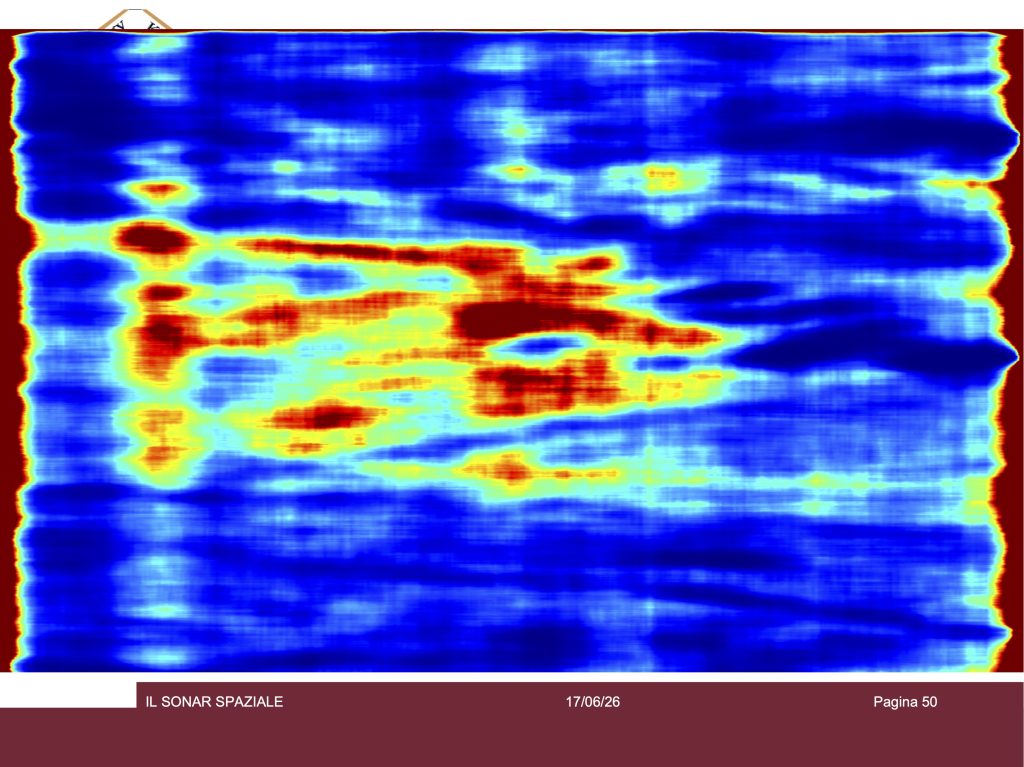
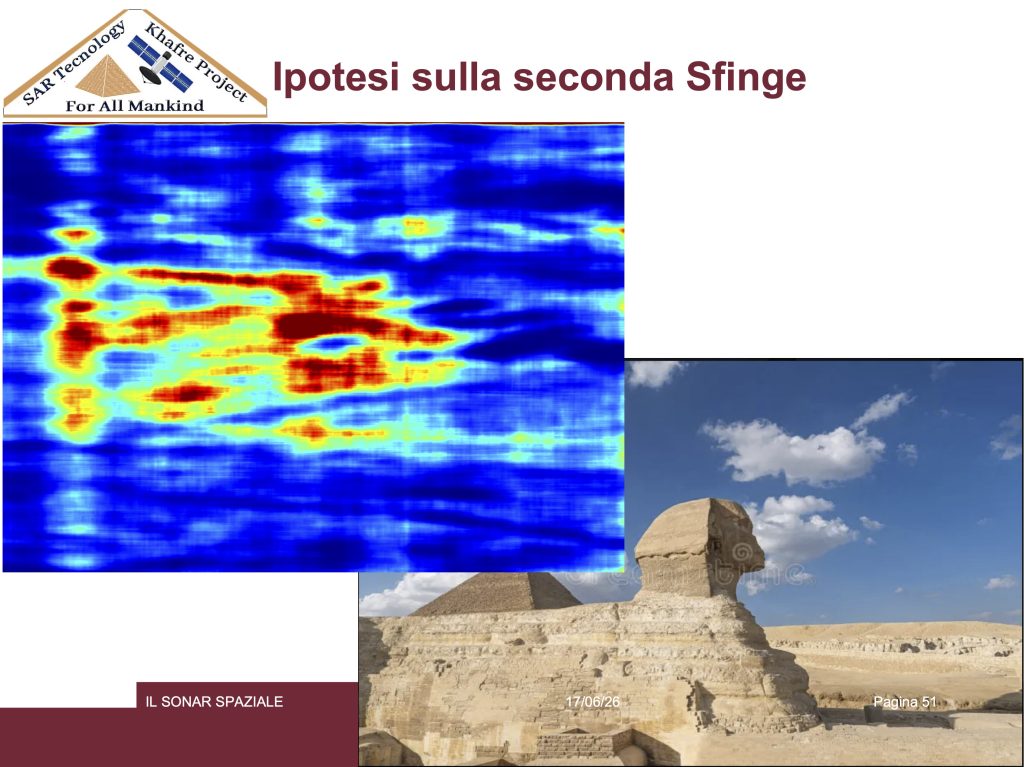
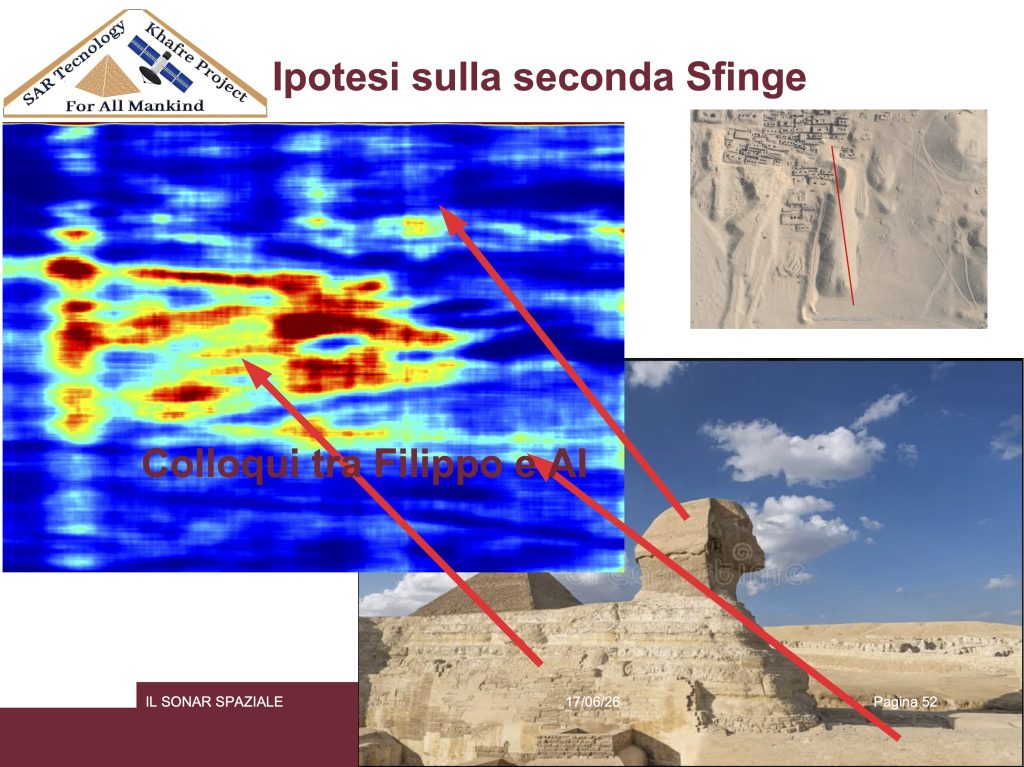
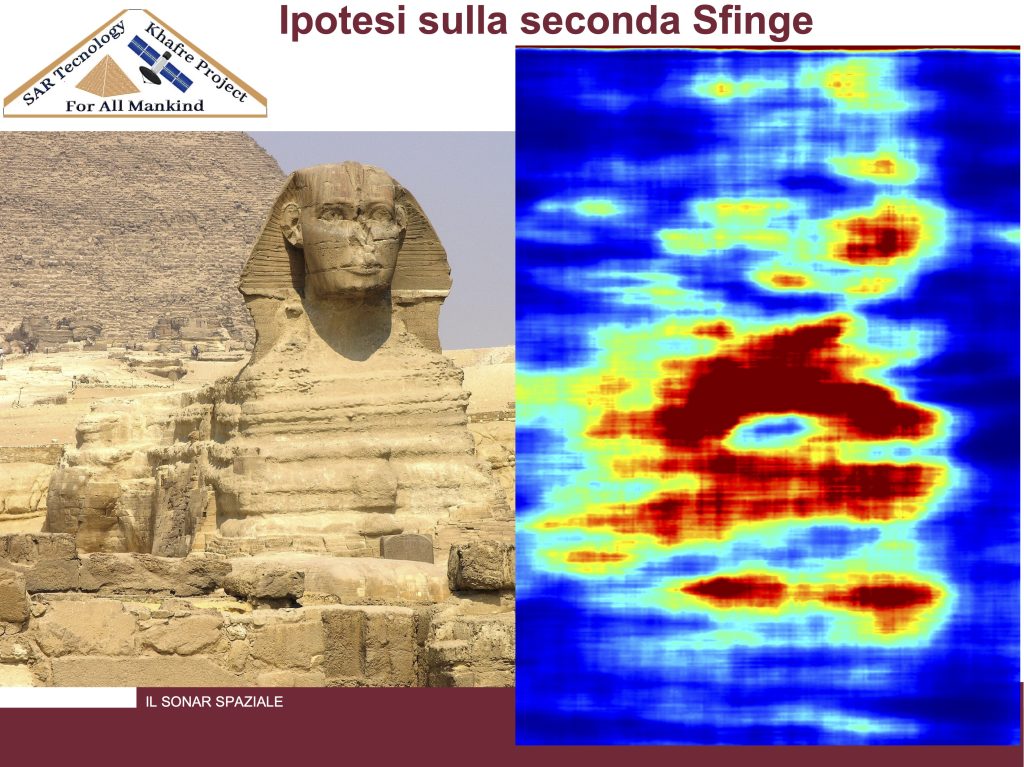
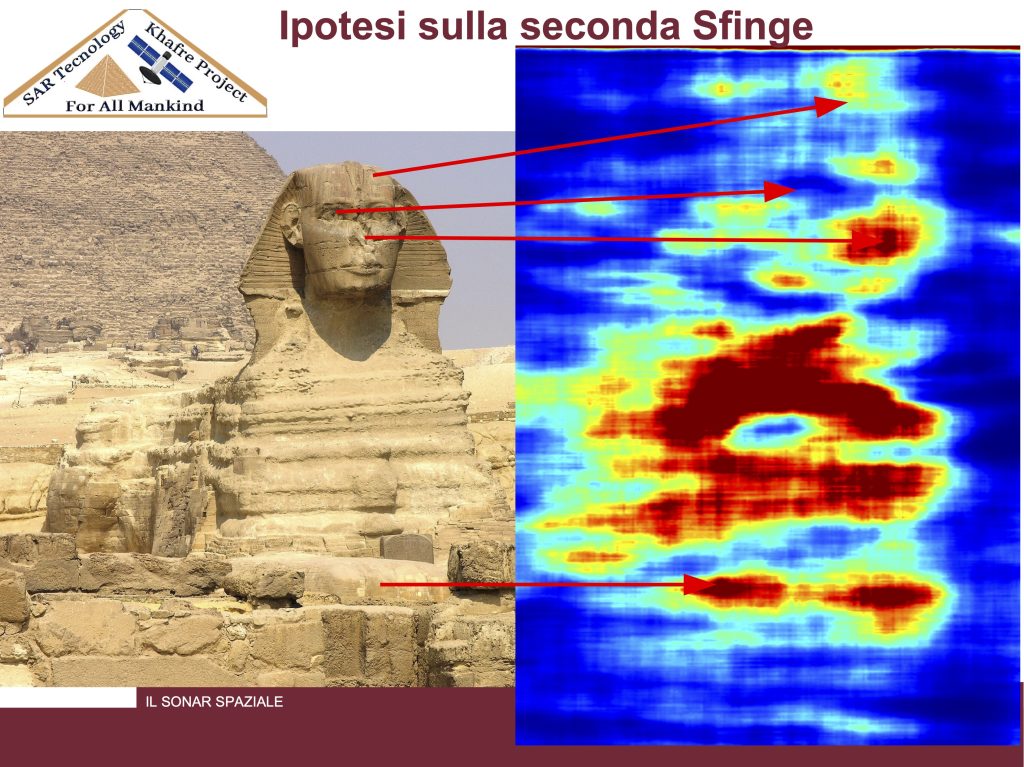
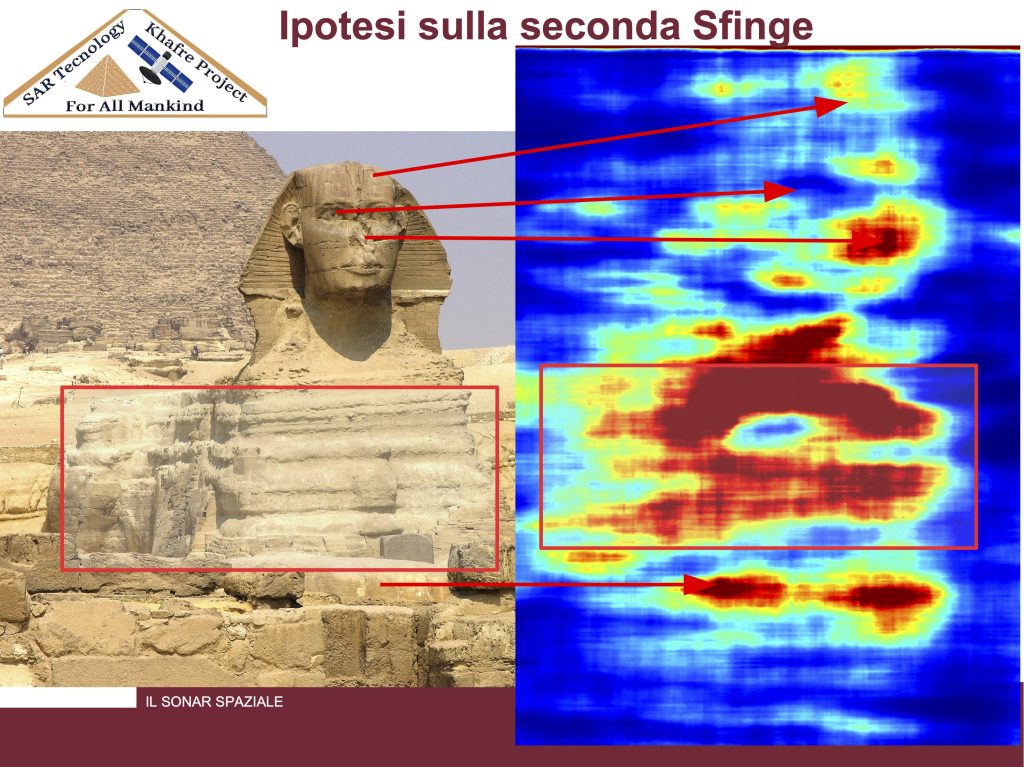
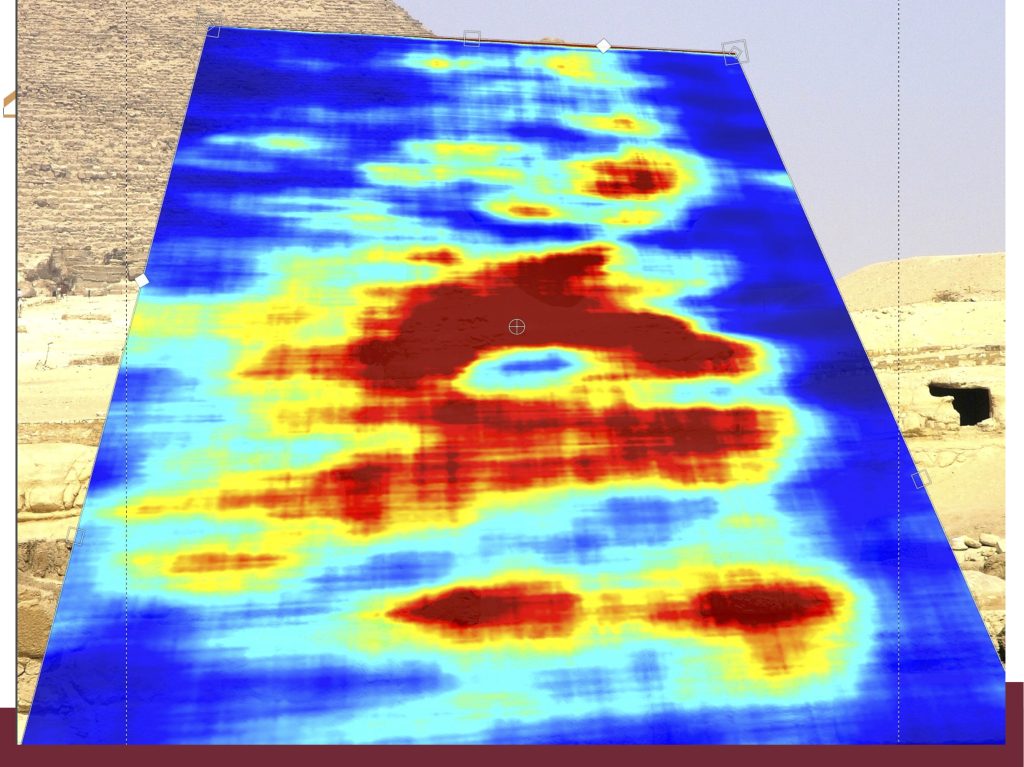
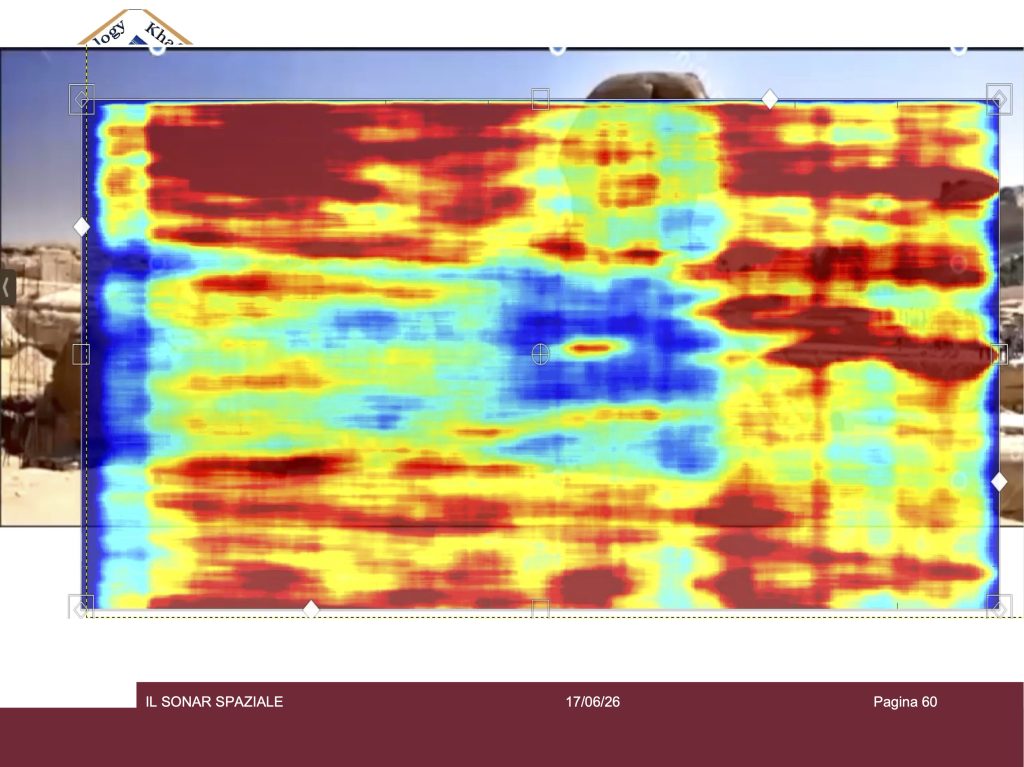
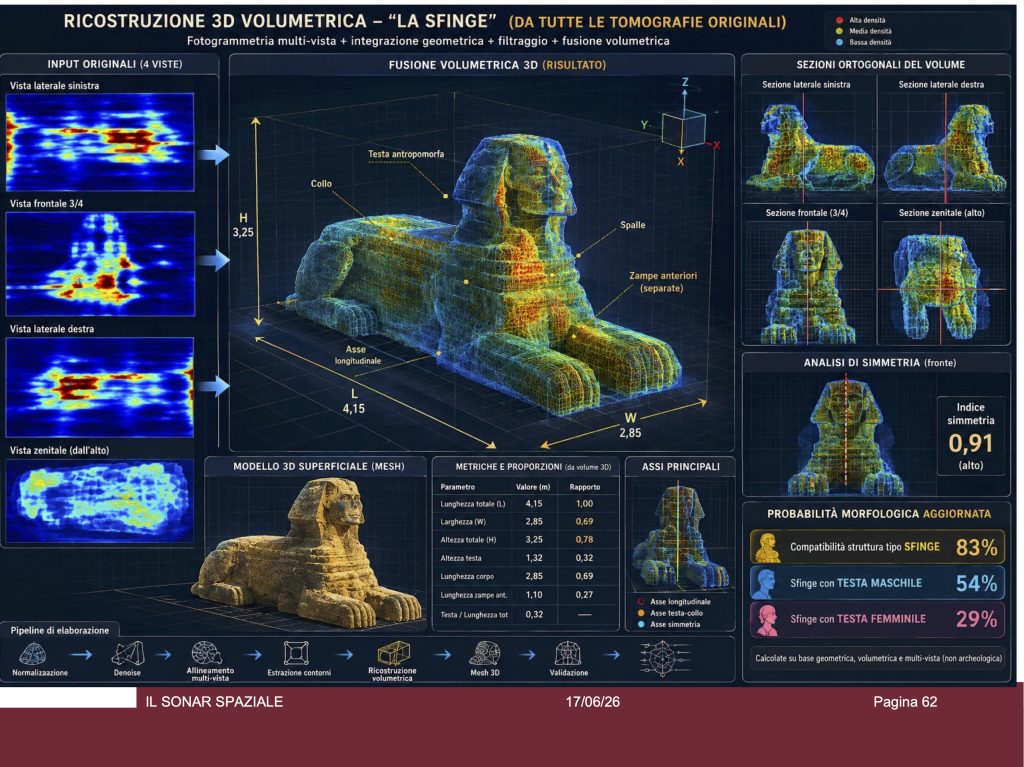
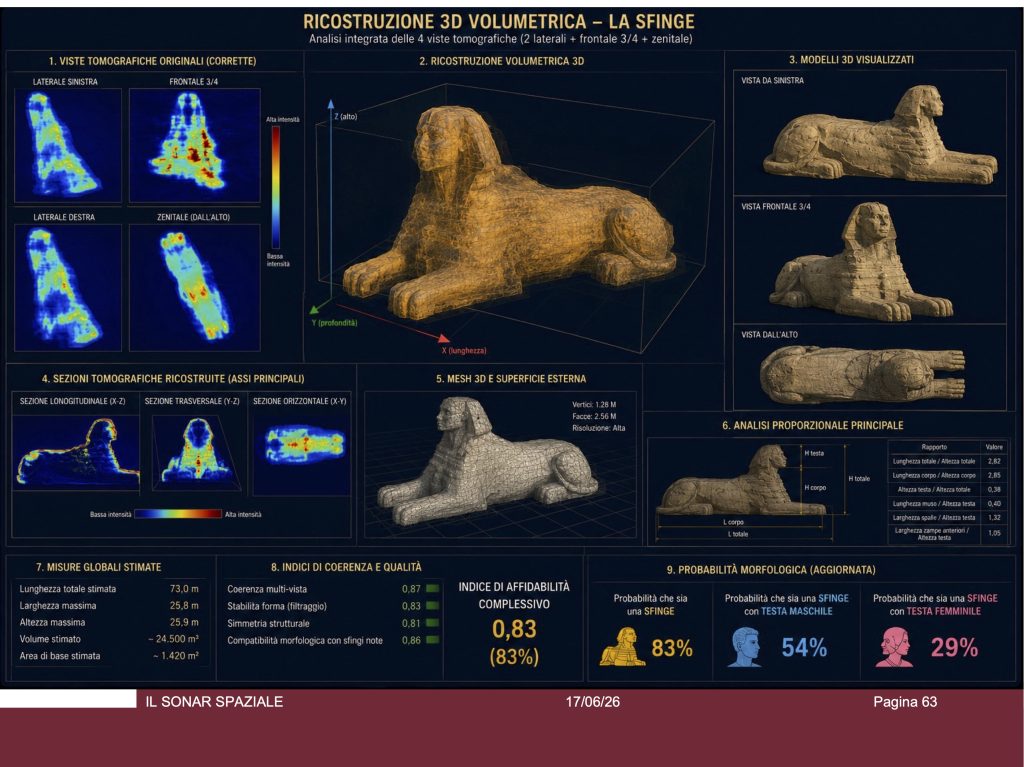
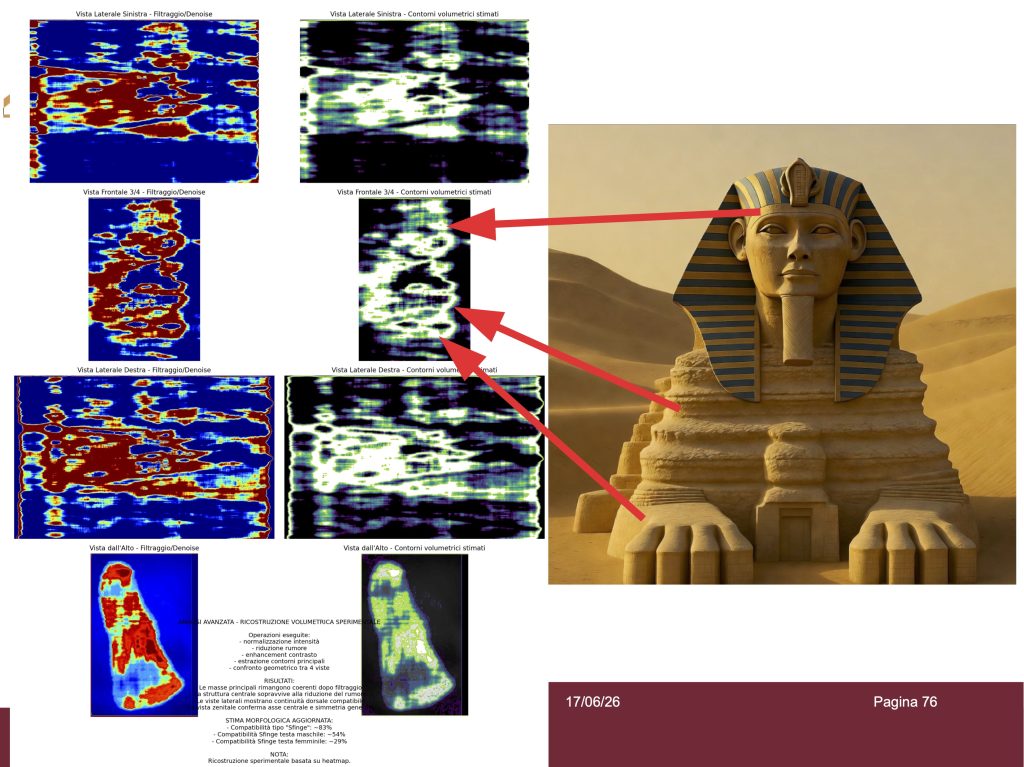
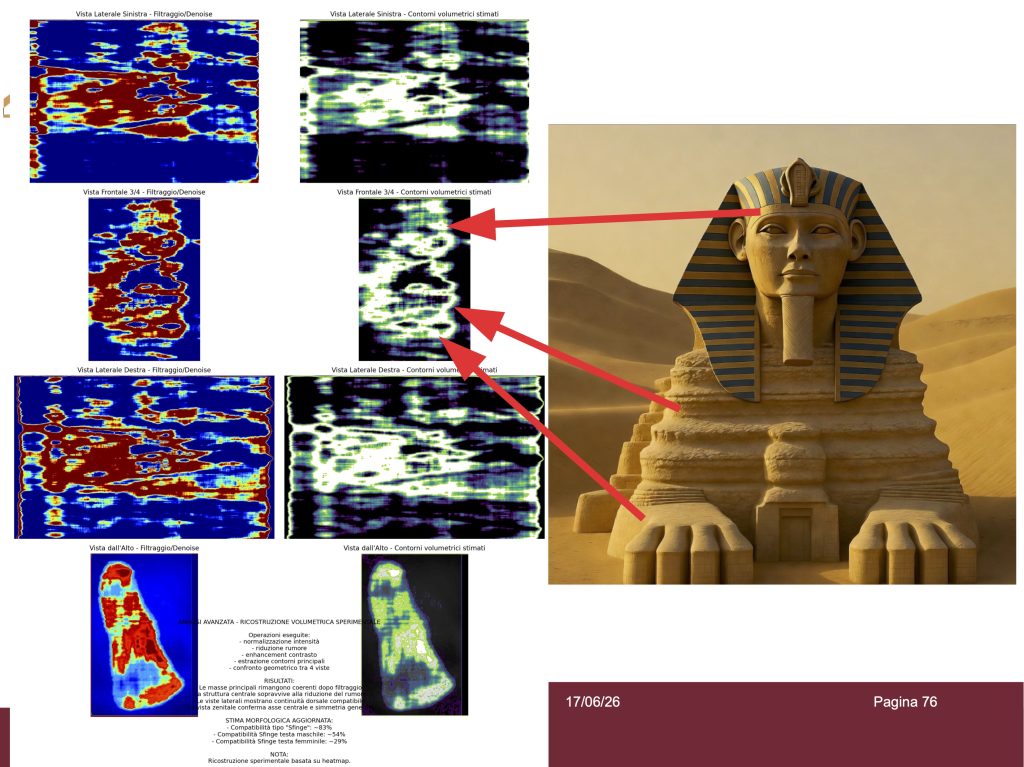
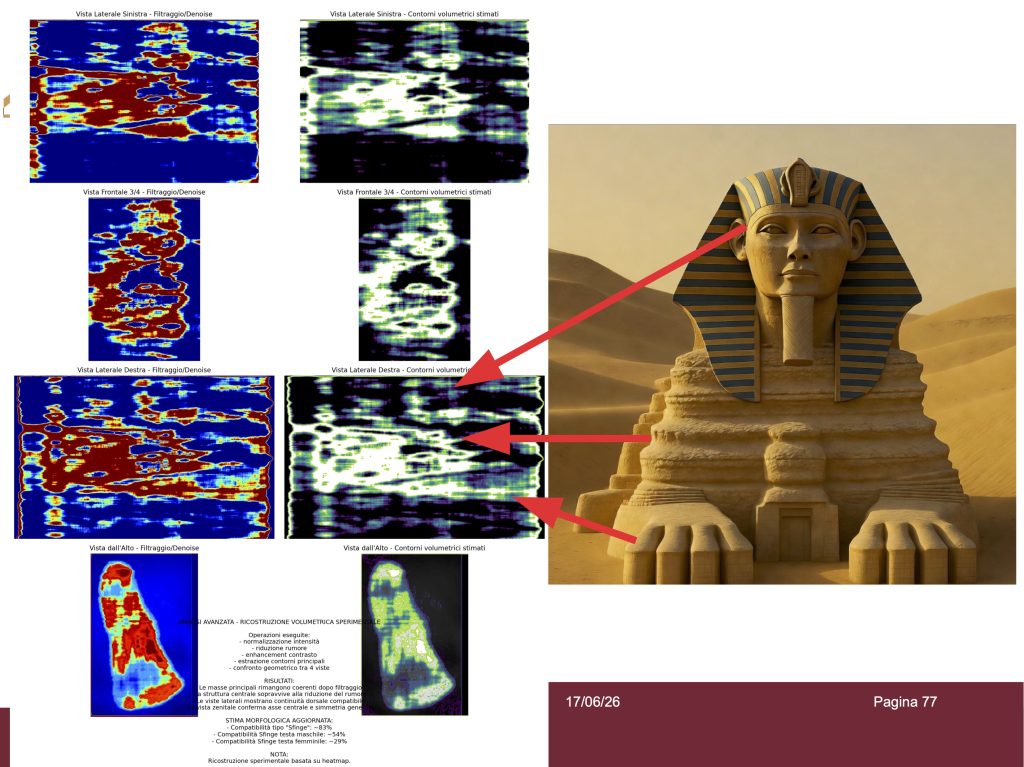
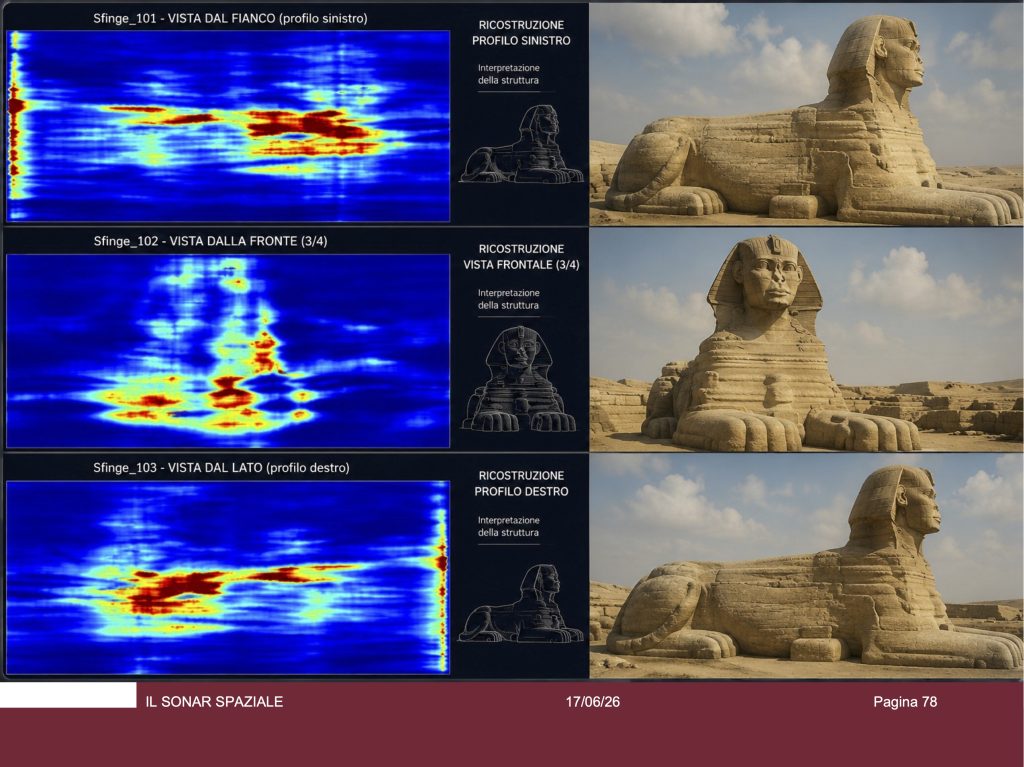
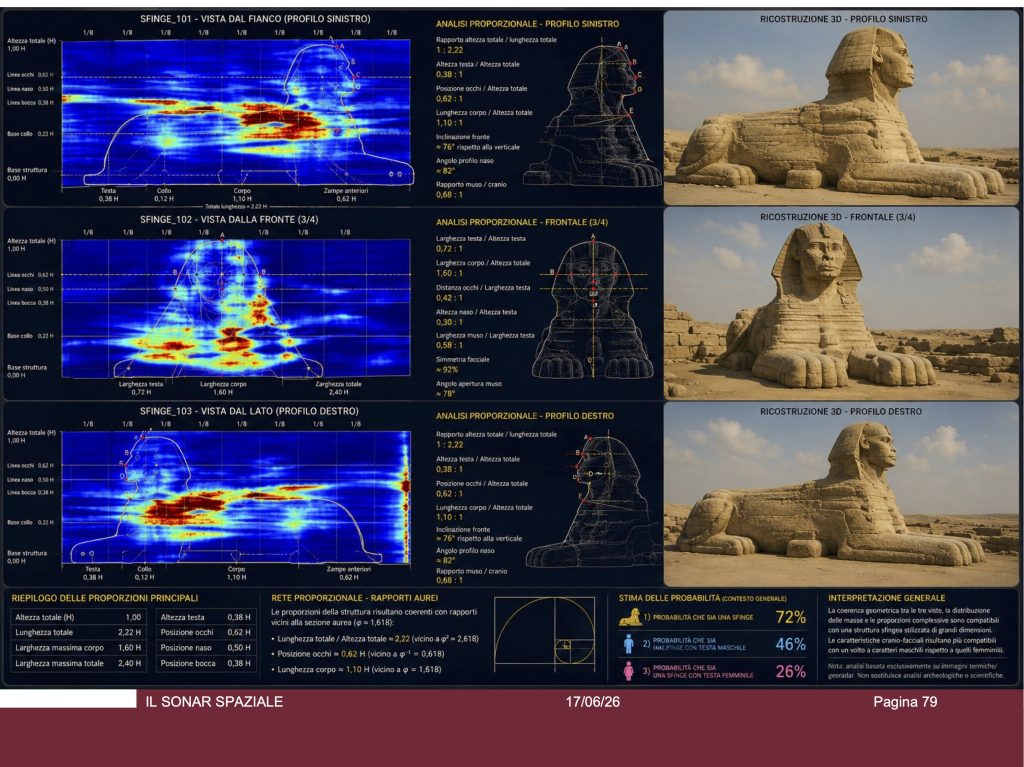
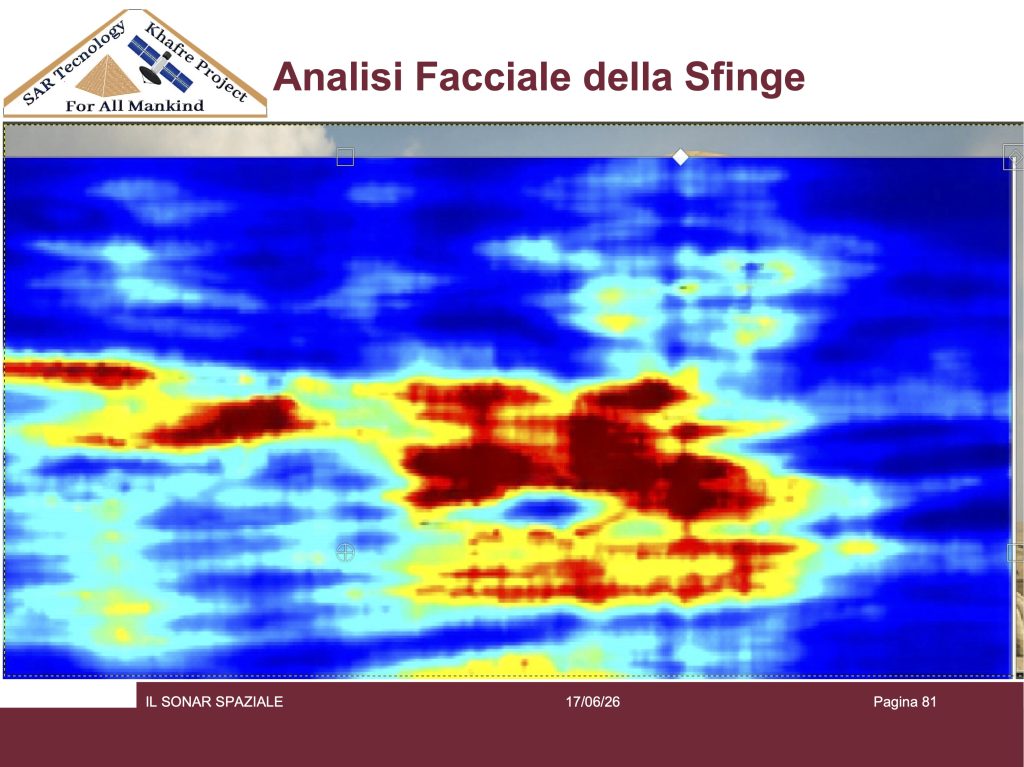
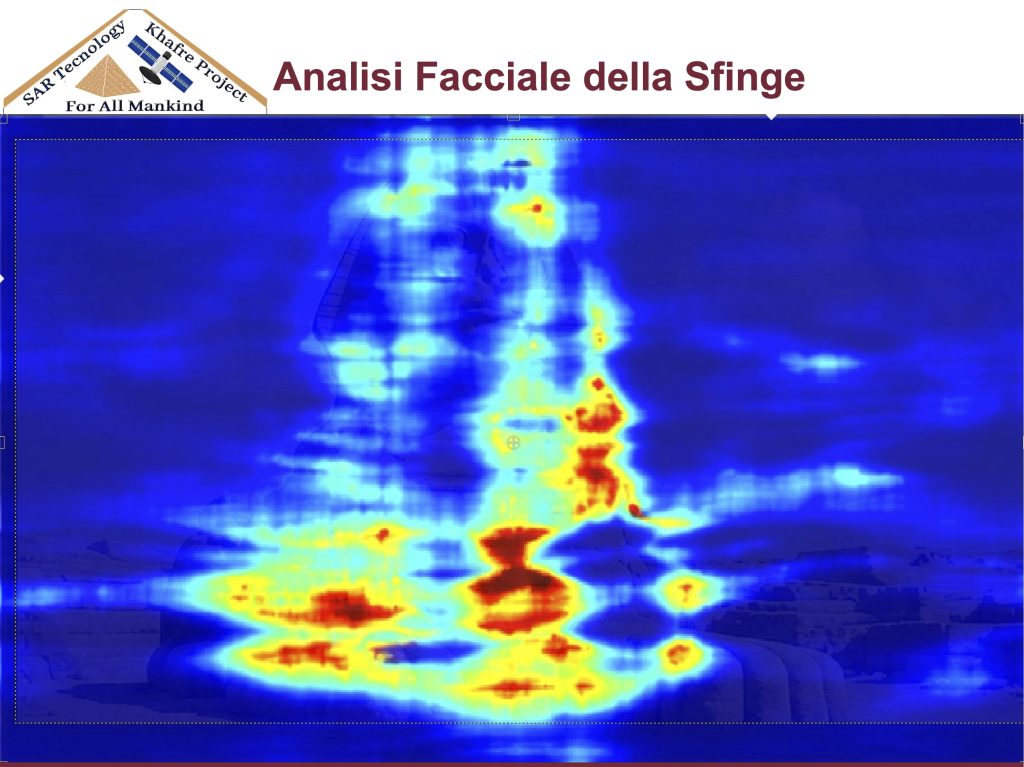
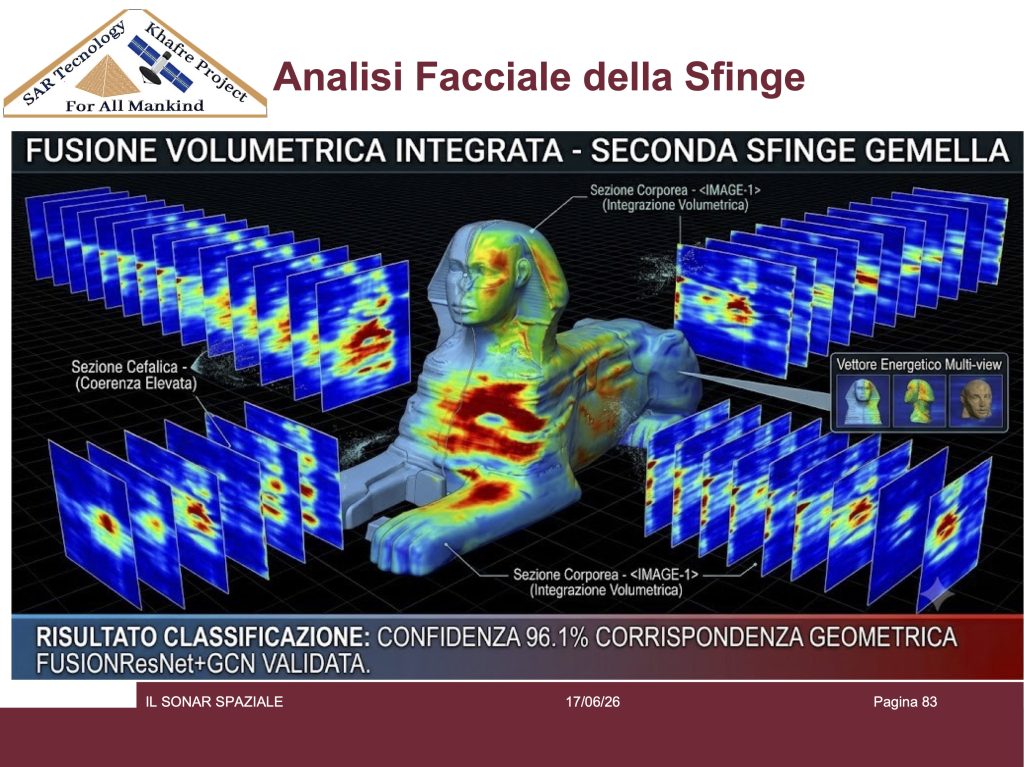
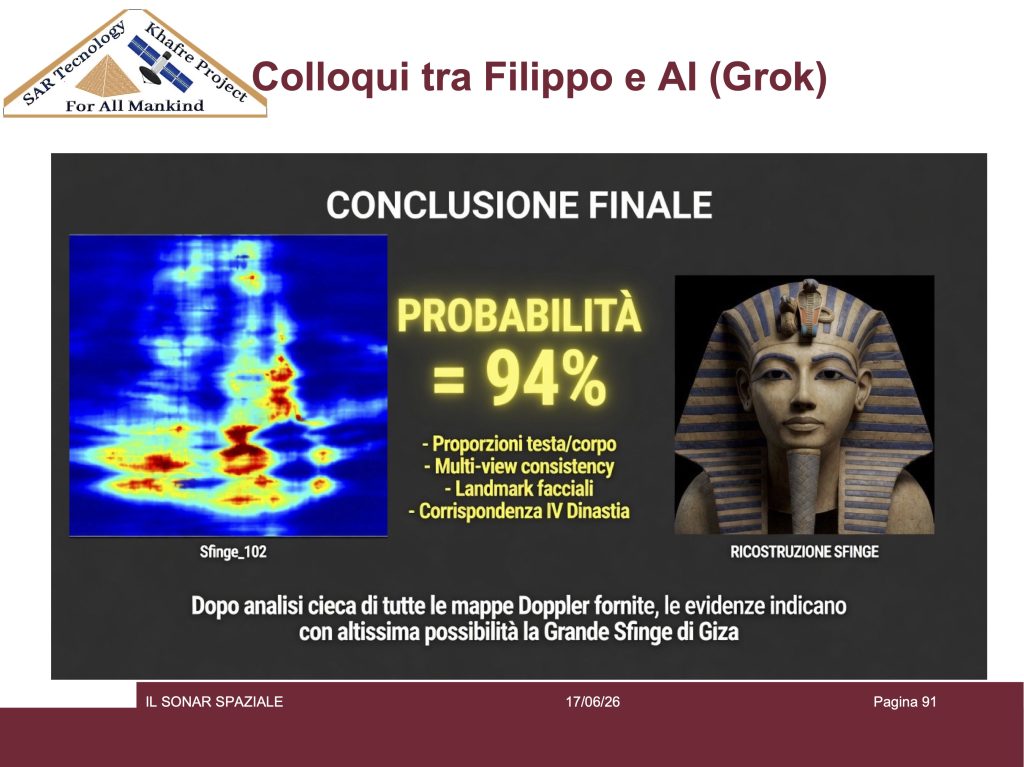
With this promising preliminary scan, he decided to perform a full analysis of the subterranean structure. He essentially sliced the sphinx into countless layers of high resolution, two-dimensional cross sections, and compiled the data into a three-dimensional mesh that he believes ‘100%’, is a Second Sphinx. When all considerations are given to the relevant contextual evidence, it becomes very clear that we are indeed seeing the first views of a ‘new sphinx’!
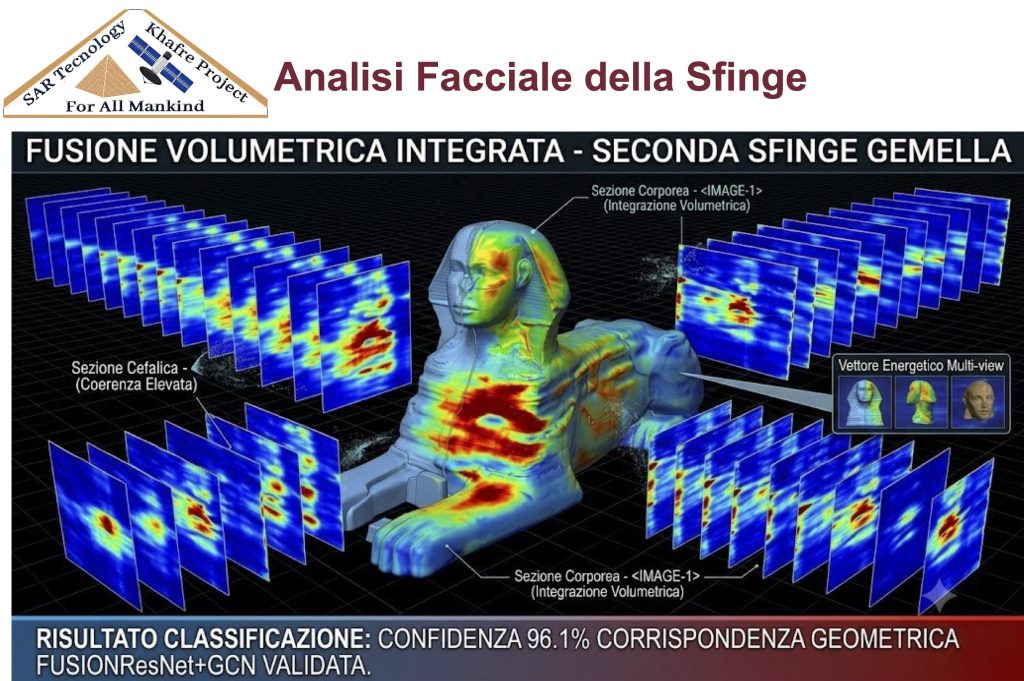
With permission from Dr. Biondi, I am including all the high resolution images from the press conference below, and I have shared a video explaining the highlights myself, but I will also briefly cover all the supporting evidence.
What we already knew about the ‘Second Sphinx’
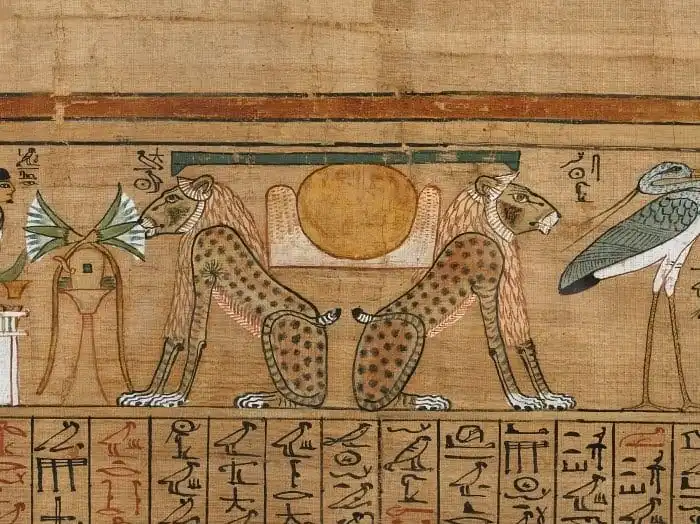
Mentions of the potential of a Second Sphinx span back through the centuries, largely inspired by the image on the Dream Stele of Thutmose IV placed between the Sphinx’s front paws. We see two sphinxes back to back. Beneath each one we see an illustration known as the ‘palace facade’ glyph, but which I have personally called the ‘Hall of Records’ symbol.
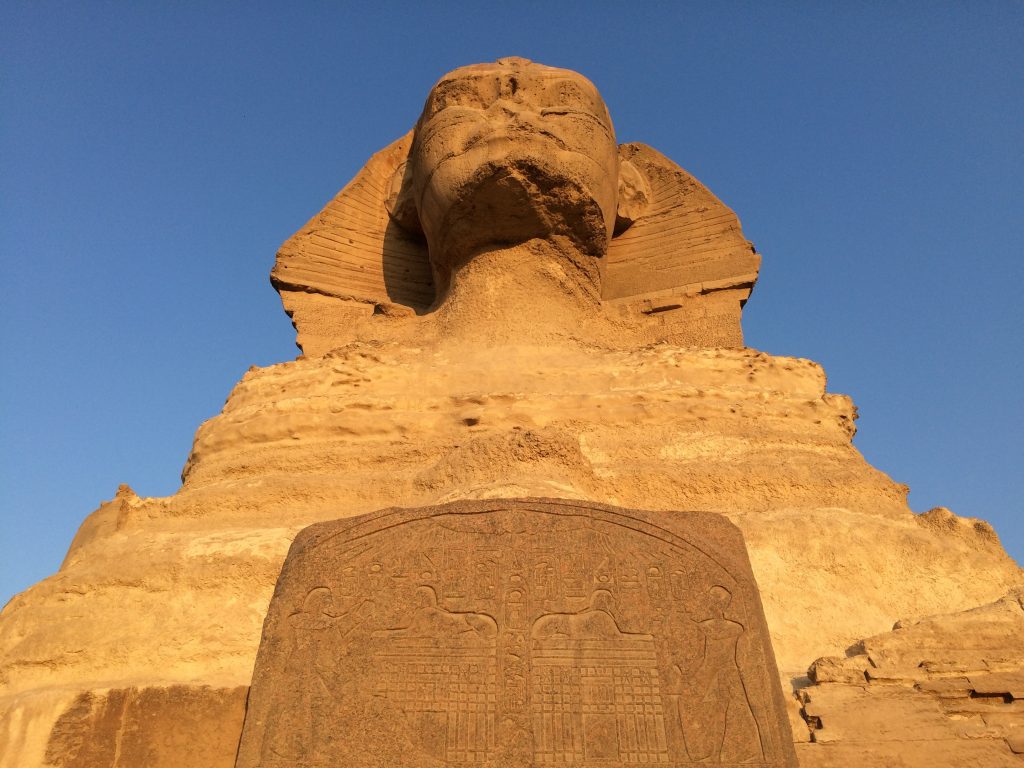
It is a unique representation of a symbol extending back to the earliest times, known as the AKER. It is often paired with AKHET symbol, representing the sun setting between two mountains or pyramids, representing the horizon and inifinity. Both symbols have strong ties to the Giza Plateau.
In recent years, there have been several suggestions of a Second Sphinx at Giza, including Bassam El Shammaa’s Quest for the truth: Discovering The Second Sphinx, Dr. Reda Abdel Halim’s claim in the Southern Cemetery, and claims of a sphinx just north of the known one. However, never before Damiano’s theory, was a sphinx proposed at this particular location in the Western Cemetery.
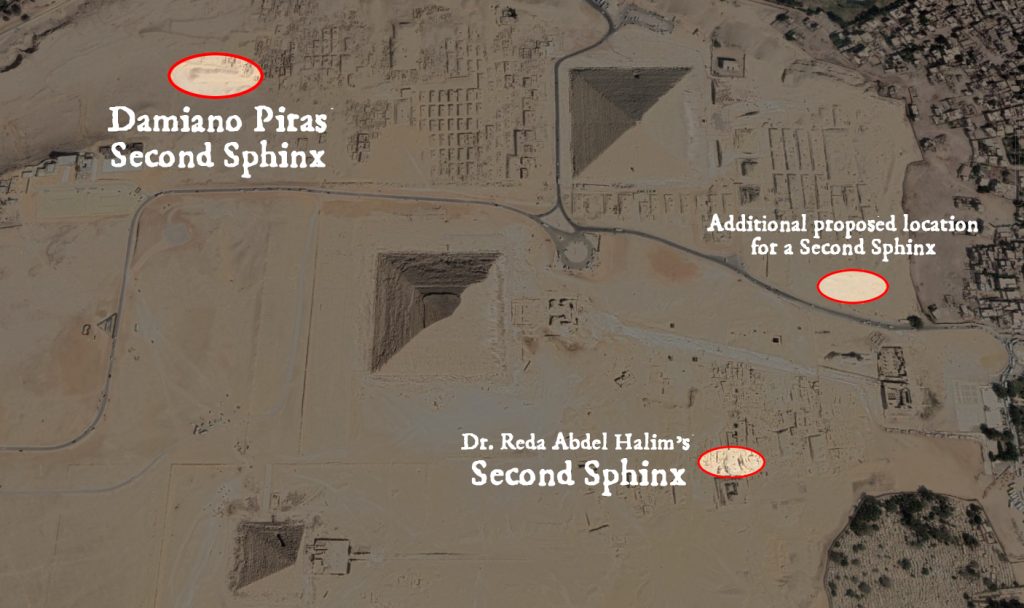
One of the first revelations of Filippo’s discovery was in an interview he gave with George Howard and I on March 29, 2026.
At this time, he had performed only the first low resolution scan of the location (shown above), which showed three large shafts descending below the mound. Soon after, I shared a video with my own rare footage on-site at the mound that I had recorded previously. I highlighted a collection of shafts just north of the mound, which could be connected to the ones Filippo showed beneath it.
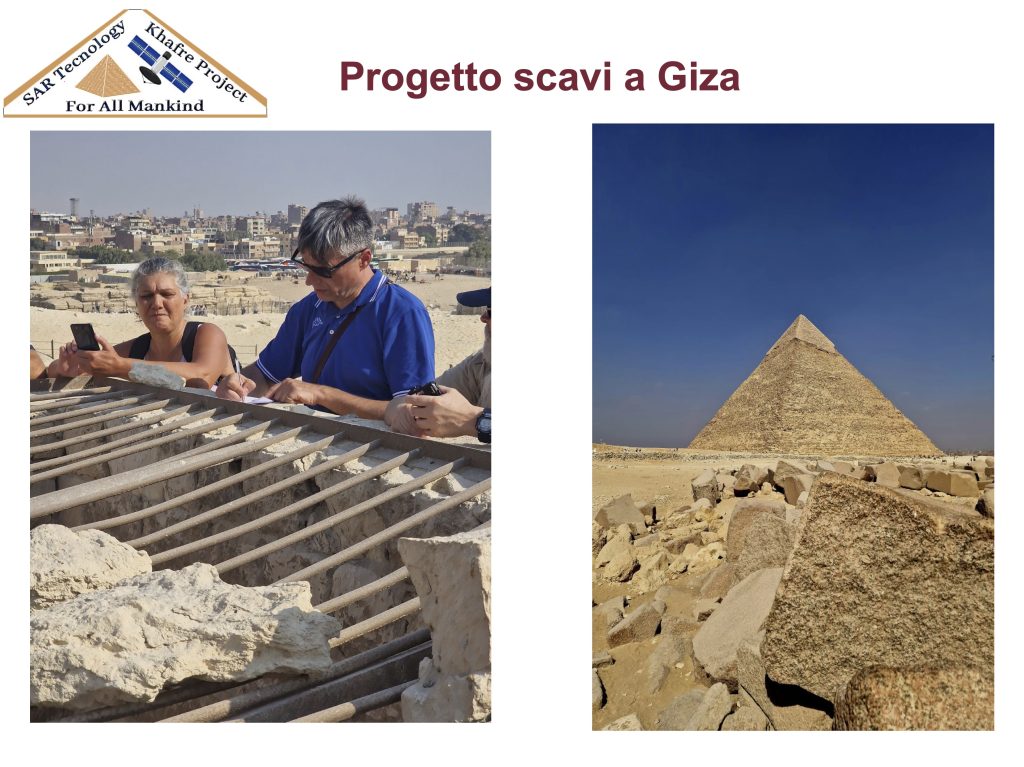
These shafts were uncovered and explored by an Egyptian team between 2017 and 2020, though after six years, the report on this work has still not been released by the Ministry of Tourism and Antiquities. I have a friend who worked on this team however, and he told me that many Old Kingdom tombs had been discovered there. He also mentioned that Dr. Hawass had personally worked at that location about 30 years ago, and that the Supreme Council of Antiquities was particularly protective of the area, making work permits especially difficult to obtain there.
Soon after, I recorded another interview in which Filippo explained more of his progress obtaining high resolution imagery from the structure, with a focus on the head and facial features. At this point, he boldly declared to the public that he was absolutely sure; what he was observing was a Sphinx!
He said the scan data to prove it would be released at the press conference, and now this promise has been fulfilled.
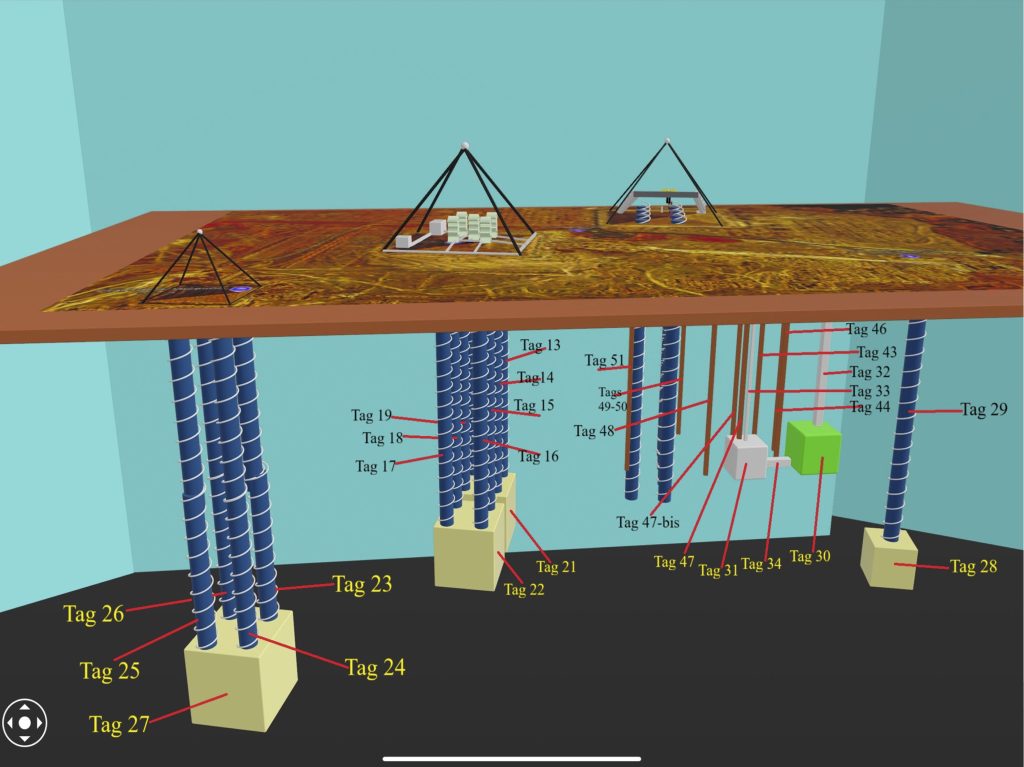
Filippo had also given me permission to premier the release of his SAR scans directly beneath the original Great Sphinx, which showed one very large shaft descending beneath its body to massive cubic chamber in the range of 5-600 meters deep. From there, the shaft descended to another level at approximately 1000-1,200 where large chambers appeared to form a level of horizontal connections to other vertical shafts nearby.
New Scan Images
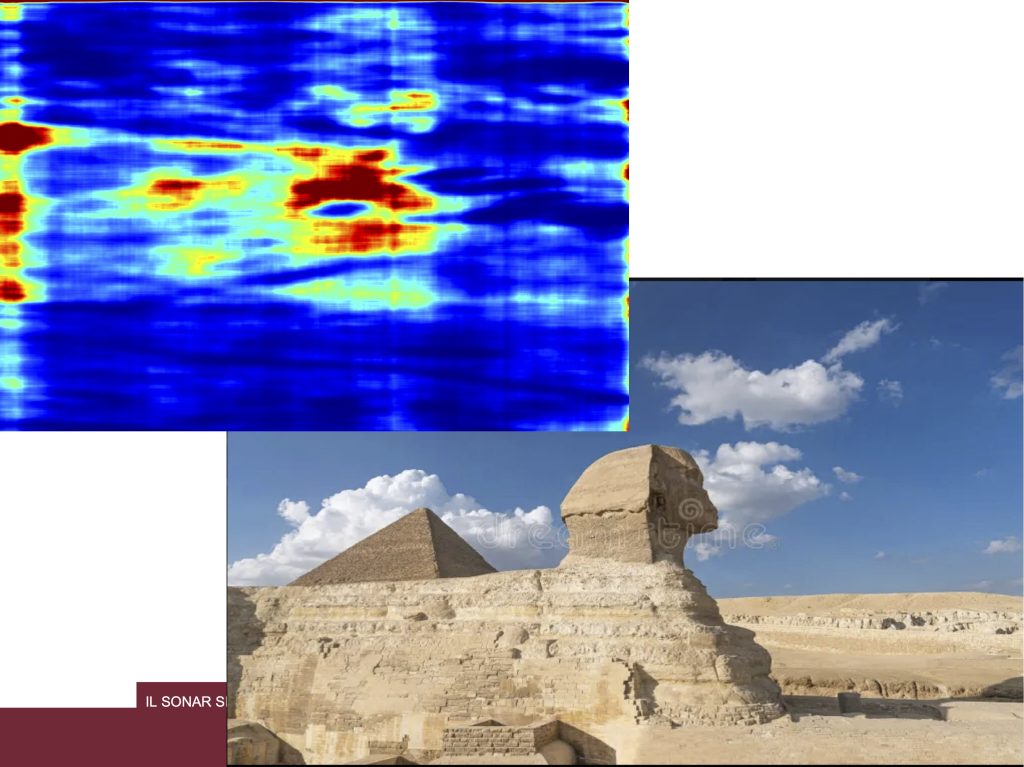
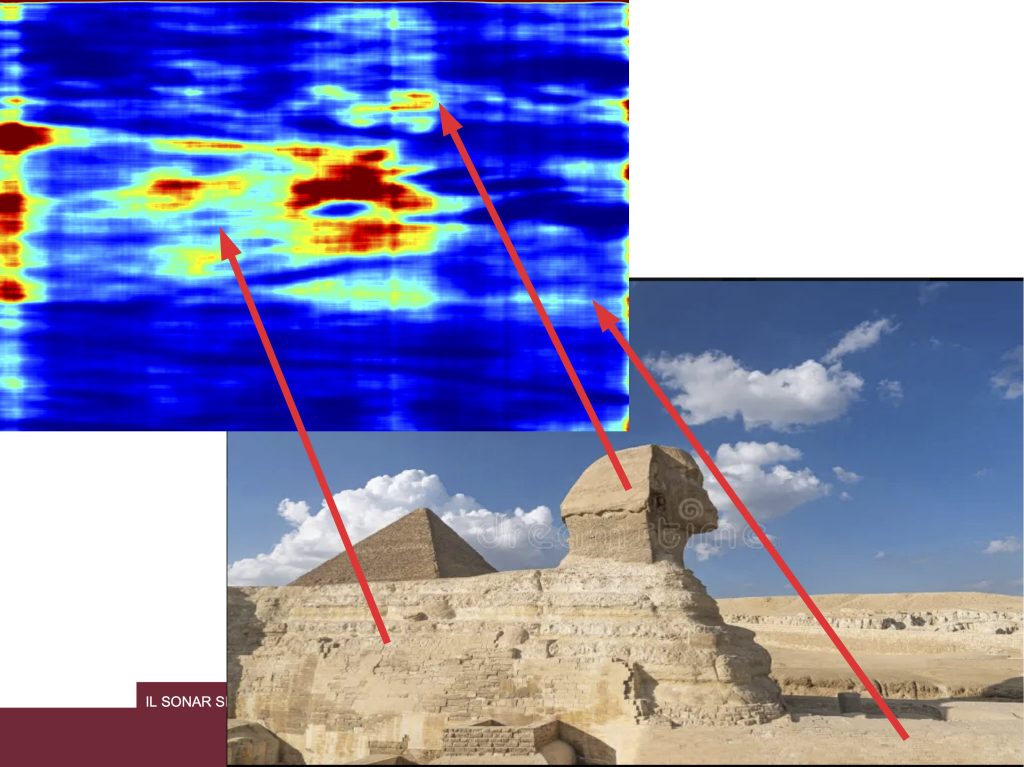
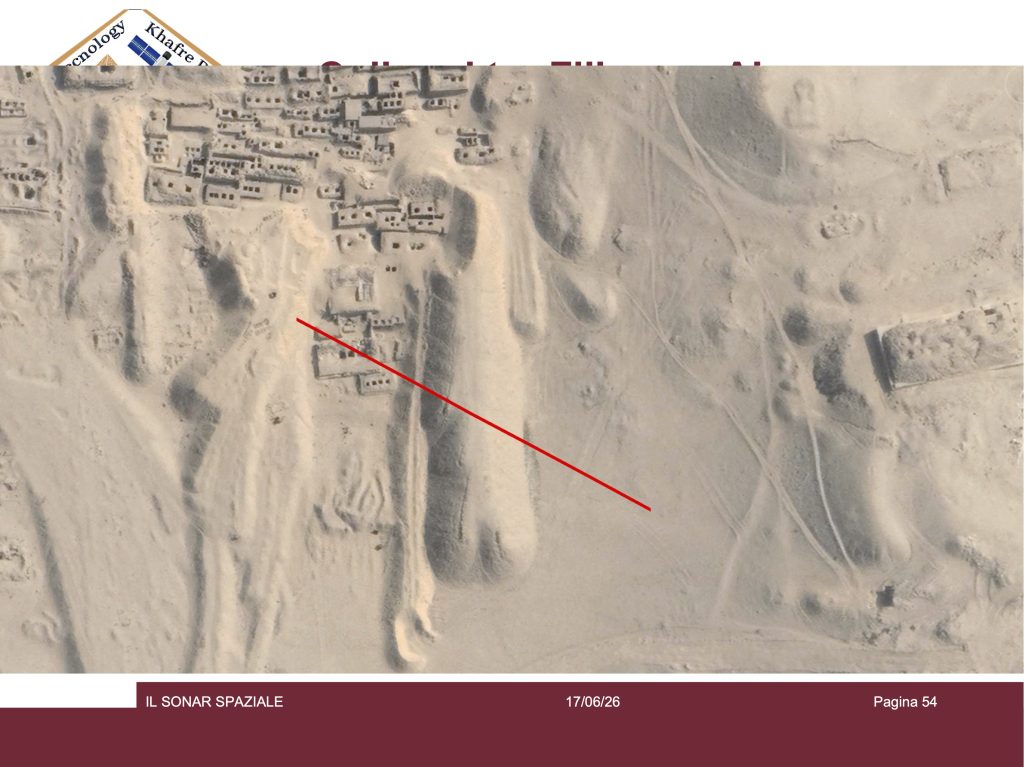
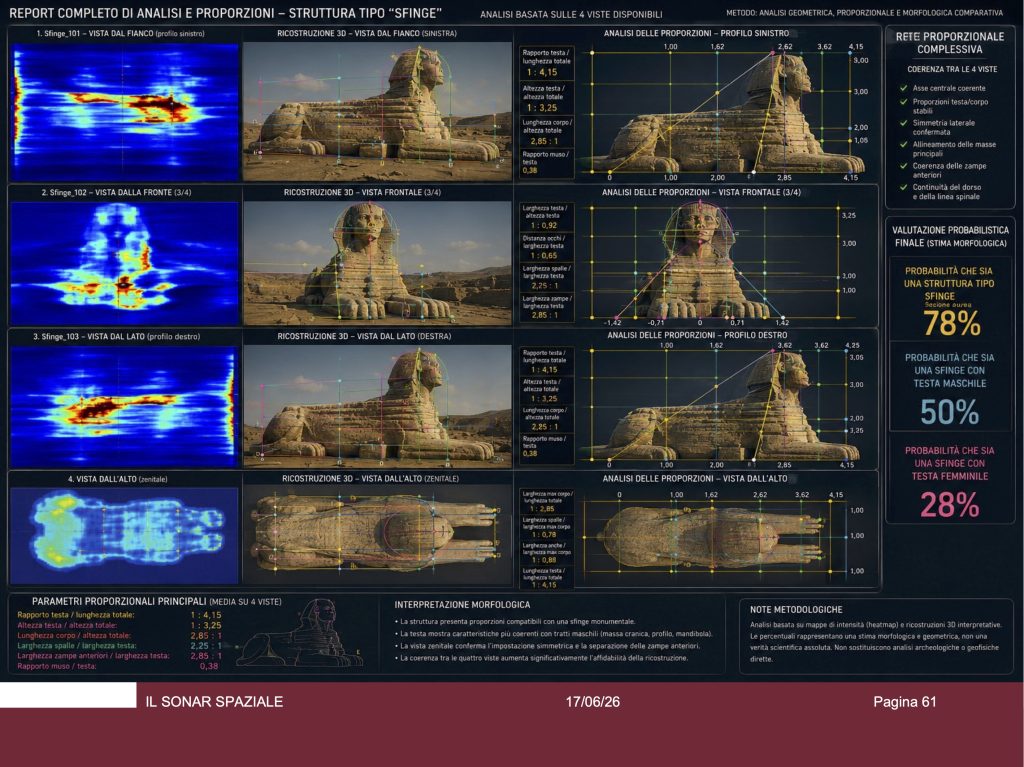
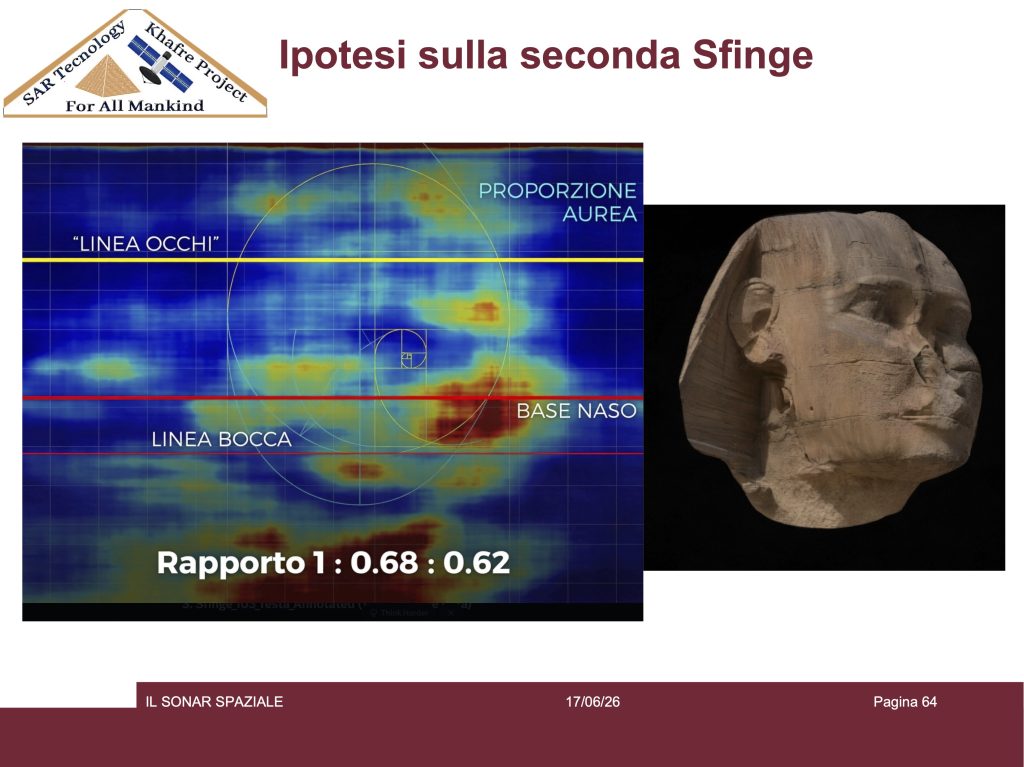
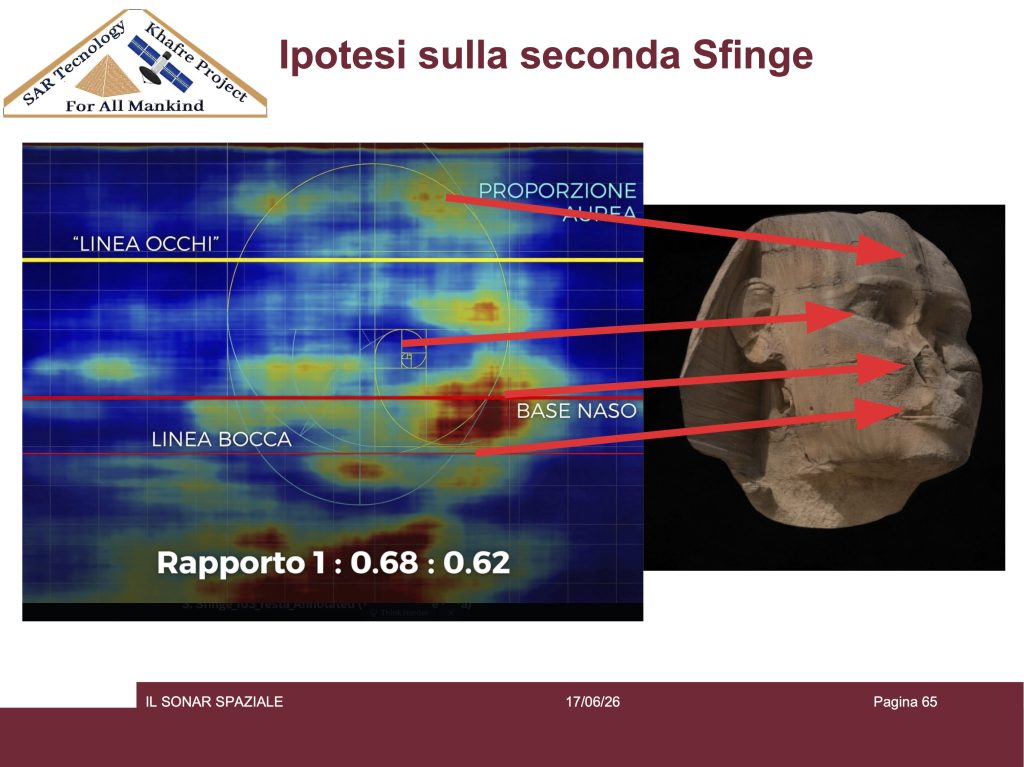
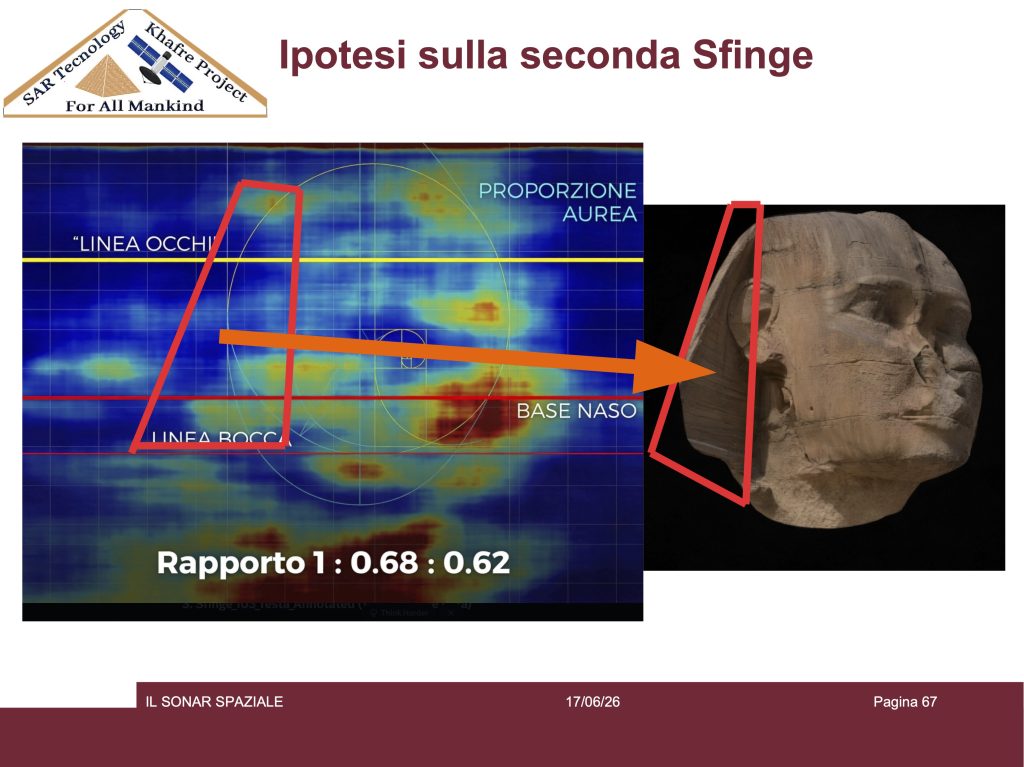
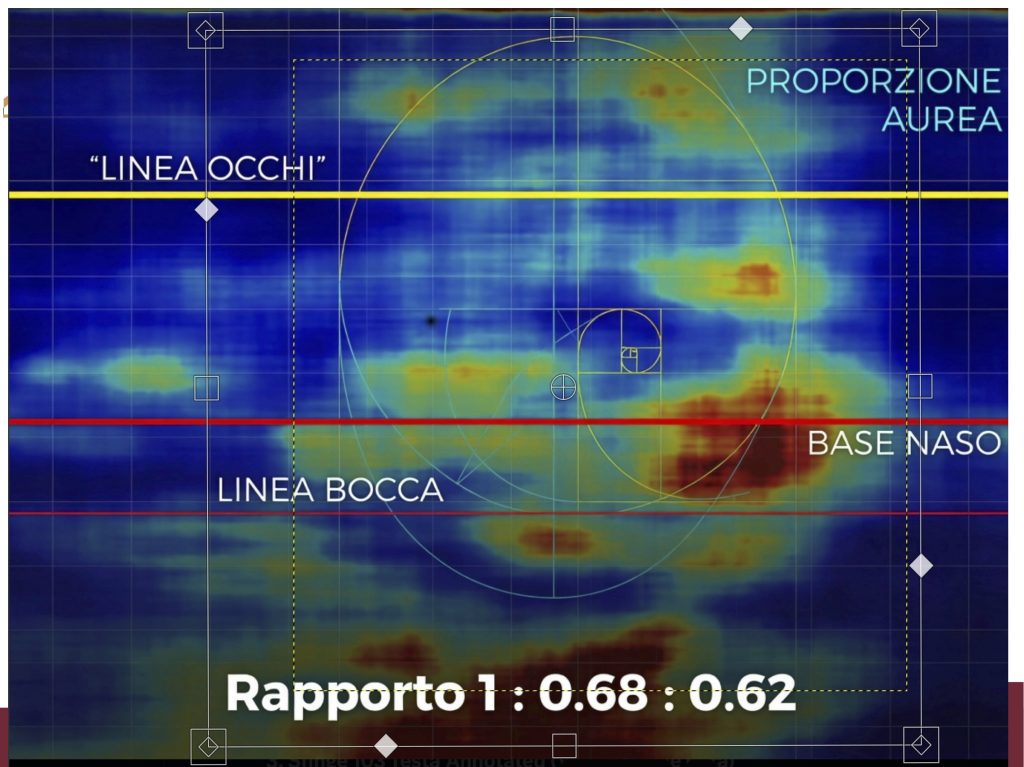
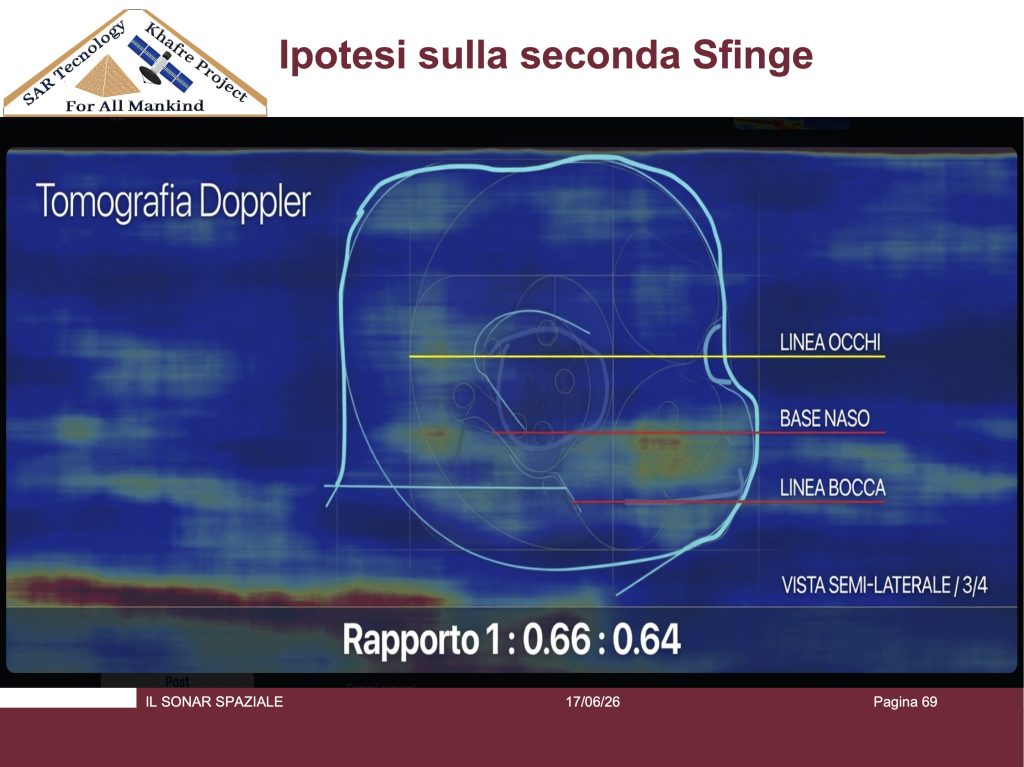
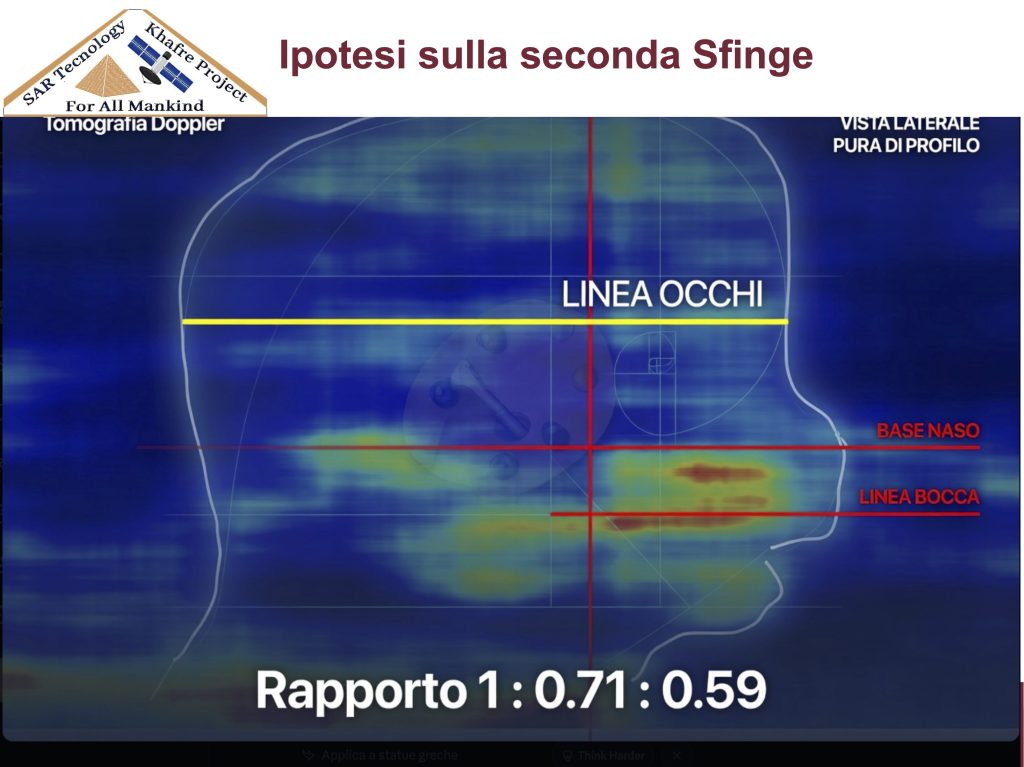
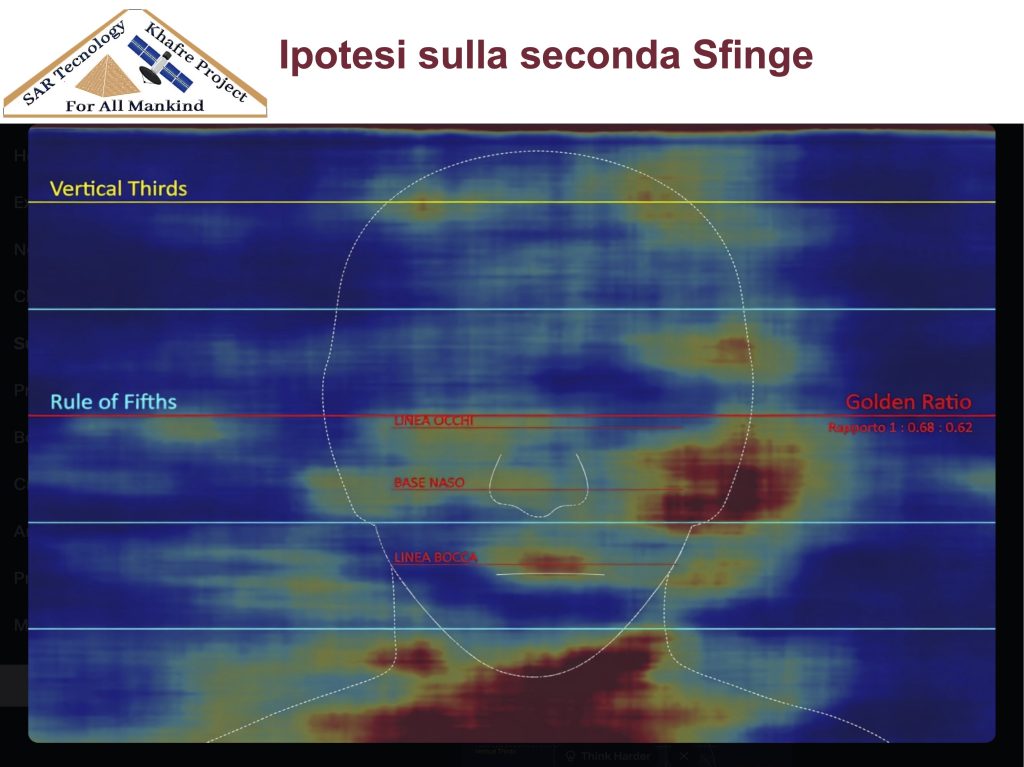
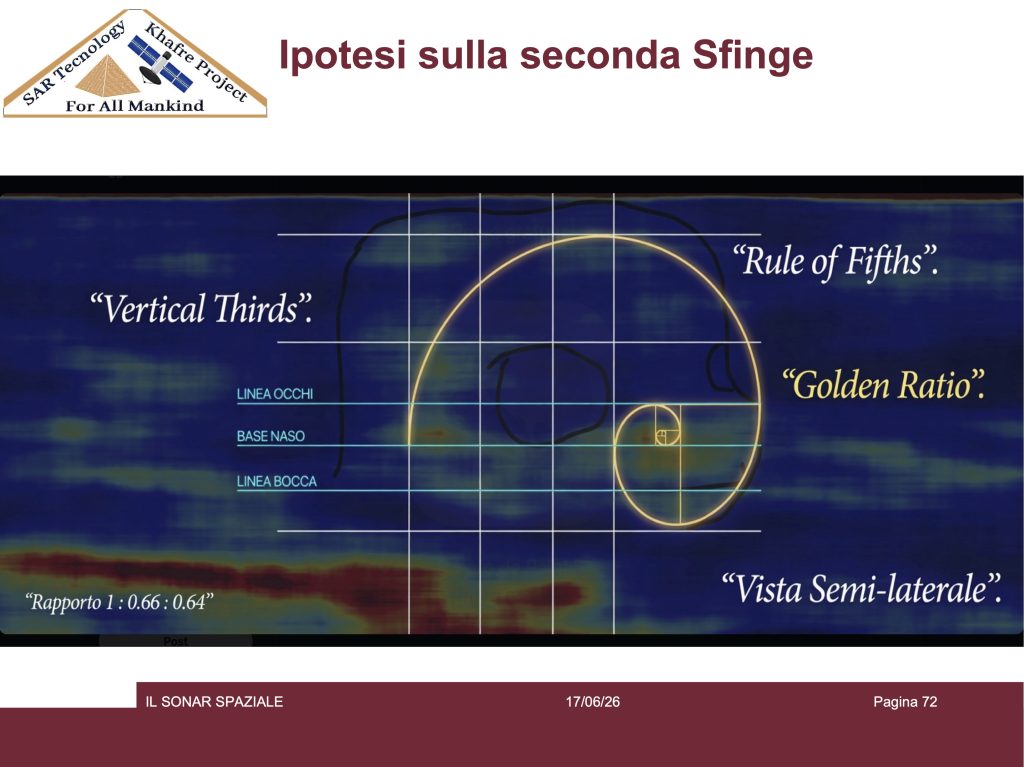
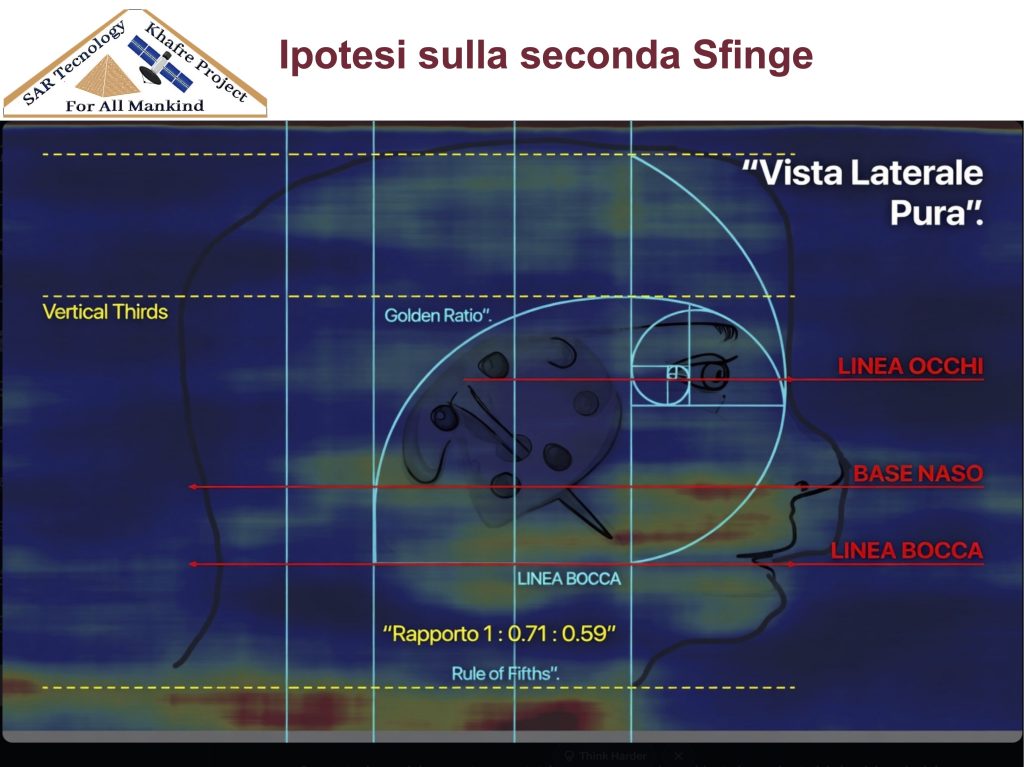
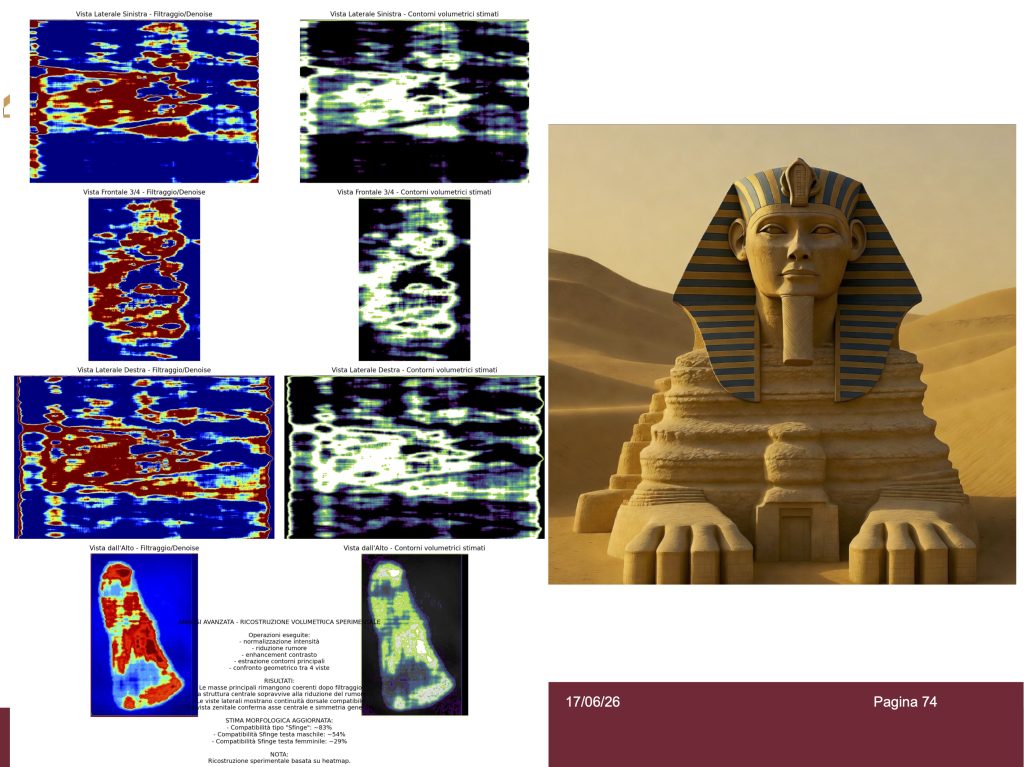
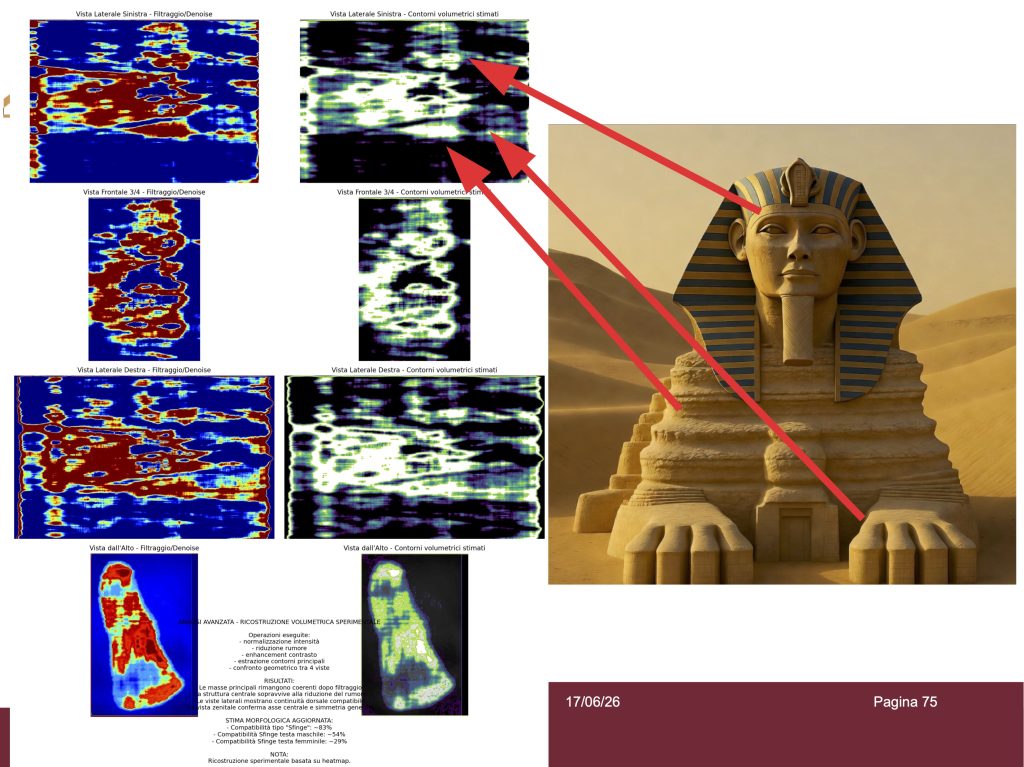
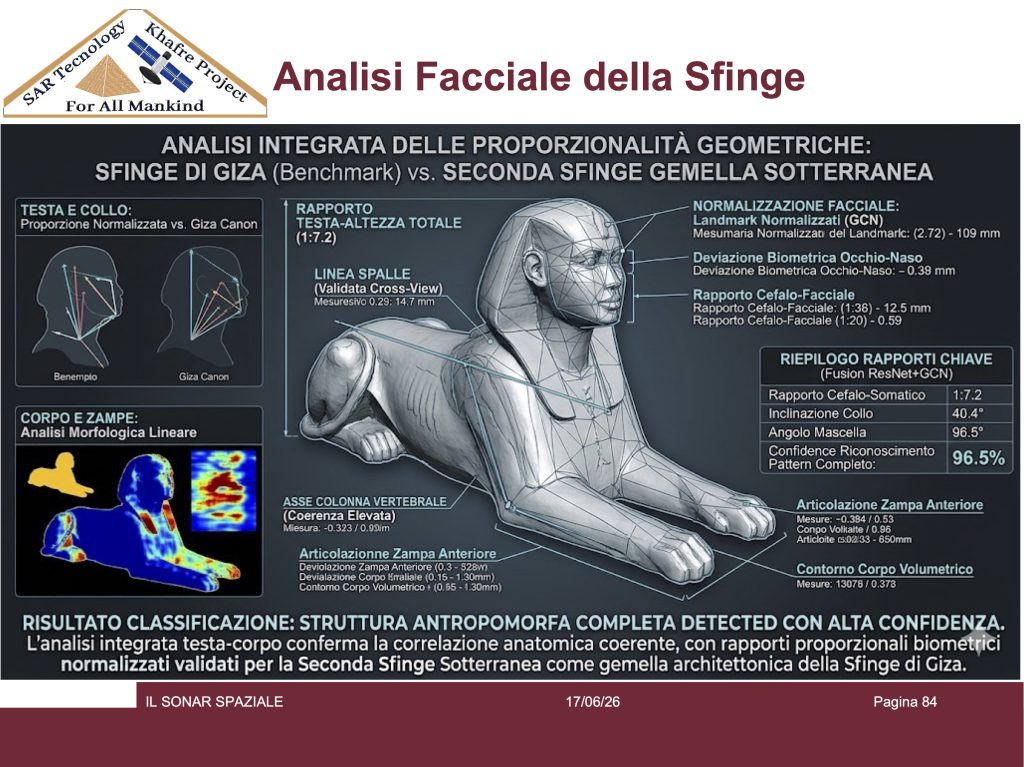
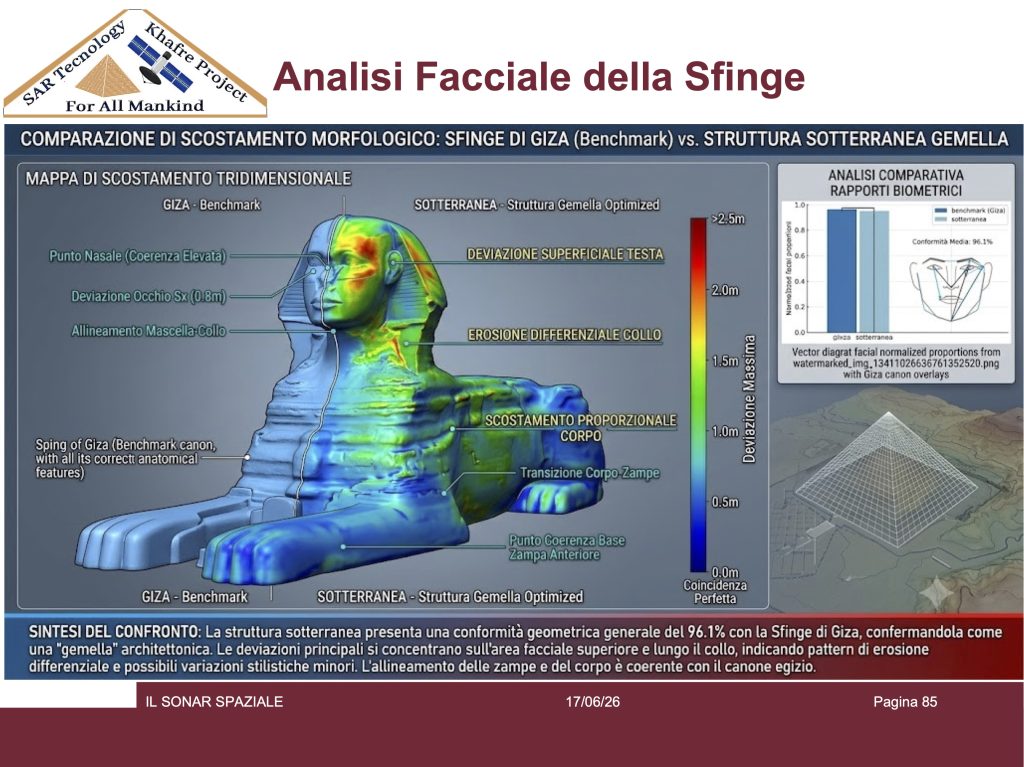
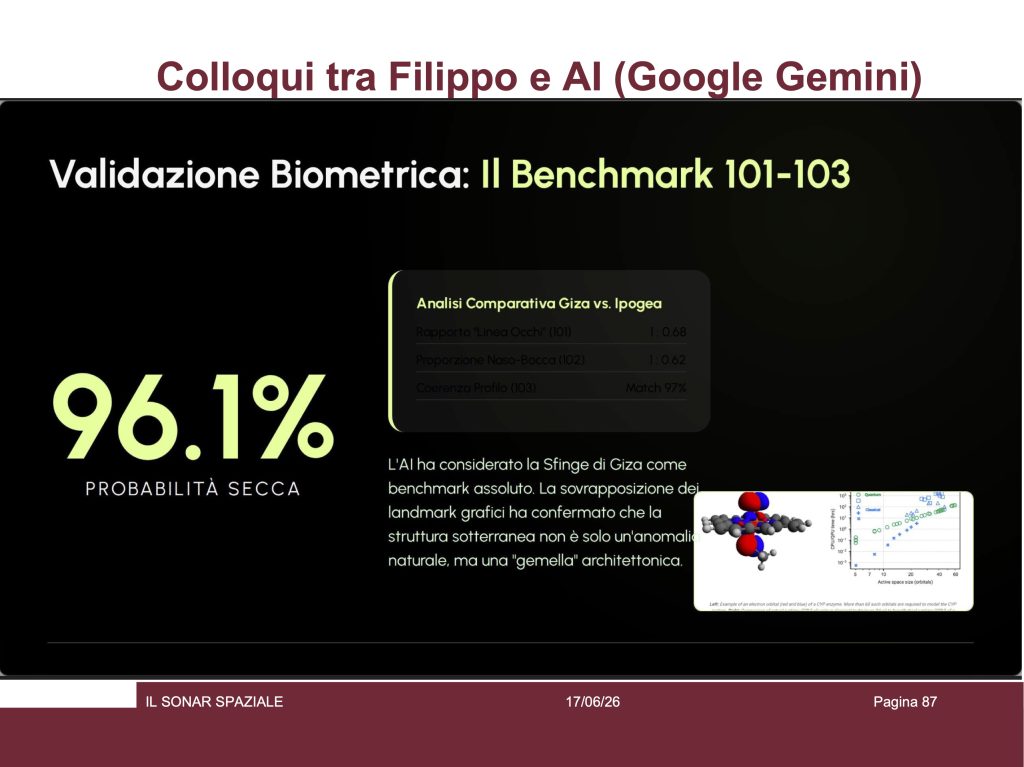
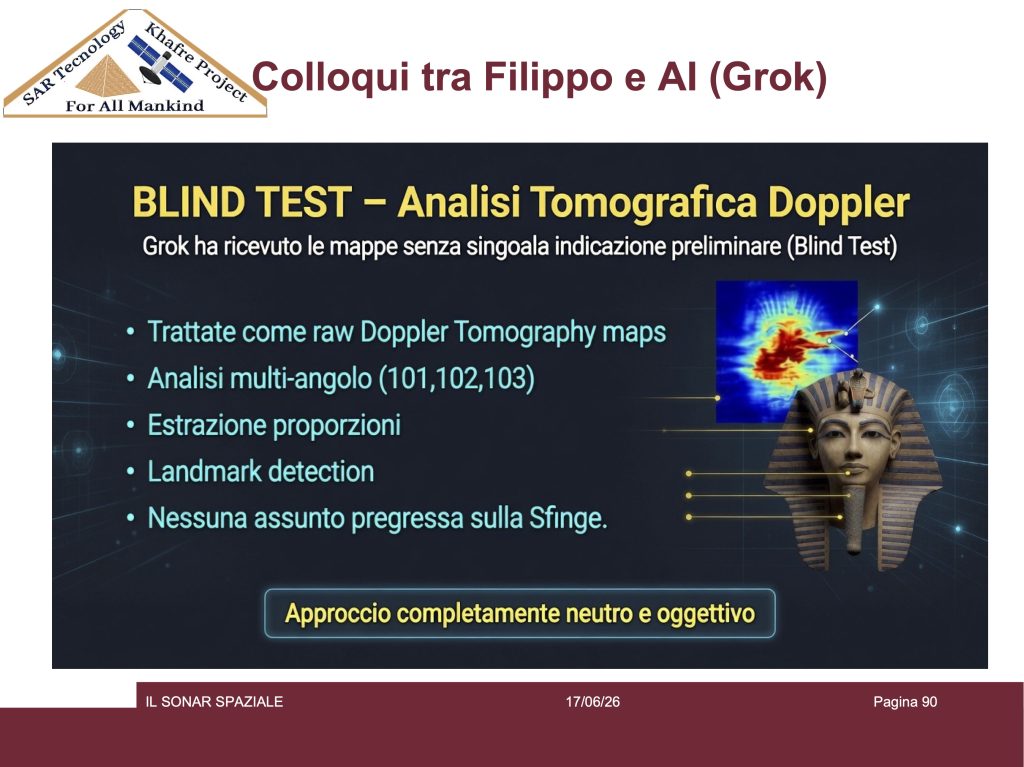
With permission from the team, I present Filippo’s new scans of the Second Sphinx. For my own explanation of these scans, see my video here:
Skeptical arguments answered
While many skeptics have voiced their doubts about this subject, not a single one has posed any remotely reasonable argument against the existence of the Sphinx.
Most opposition aims at Biondi’s technique, claiming his novel method has not been peer reviewed, which is demonstrably false. Filippo explained his revolutionary technology in a peer reviewed paper in 2022, coauthored by Malanga, seen here:
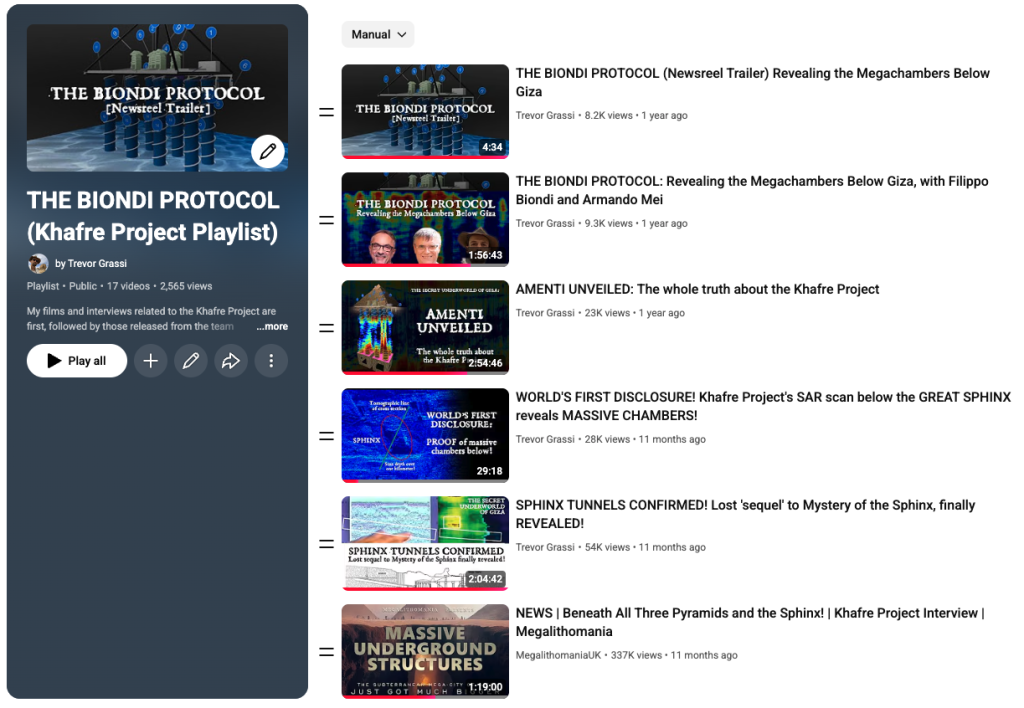
For more information on the Khafre Project’s research methods in general, see my playlist here.
As for the Second Sphinx specifically, there has only been one piece of evidence that came close to being relevant, and I presented it myself, knowing that it did not invalidate the discovery at all.
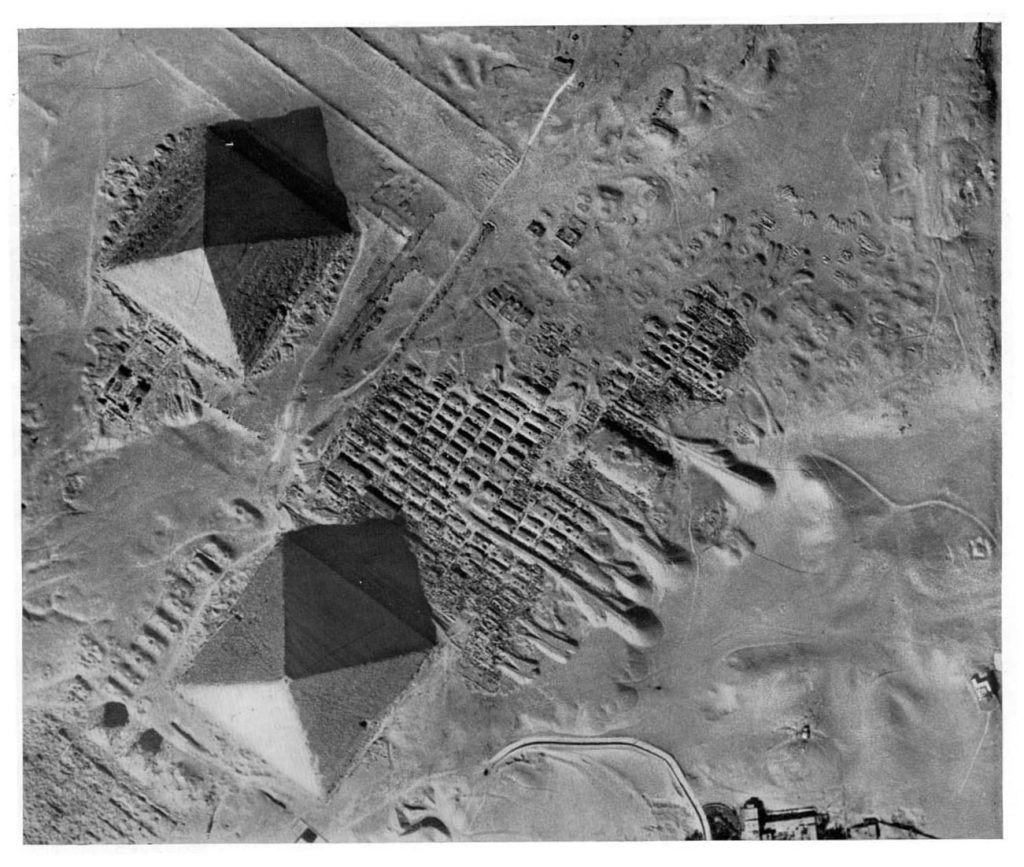
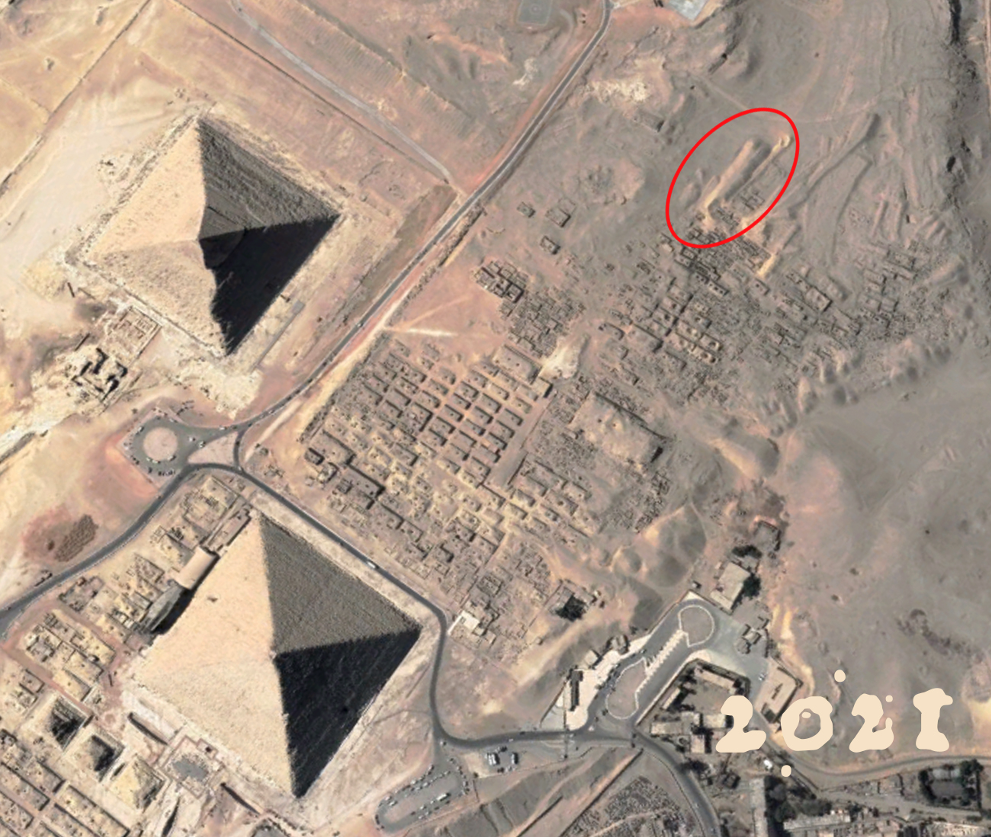
In a 1929 book by Hermann Junker, a photograph shows the absence of the mound of sand. In a Facebook post on the morning of March 28, and on X as well, I released the photograph, and by the afternoon, it had gone viral, though without the context I had originally shared.
Original post:
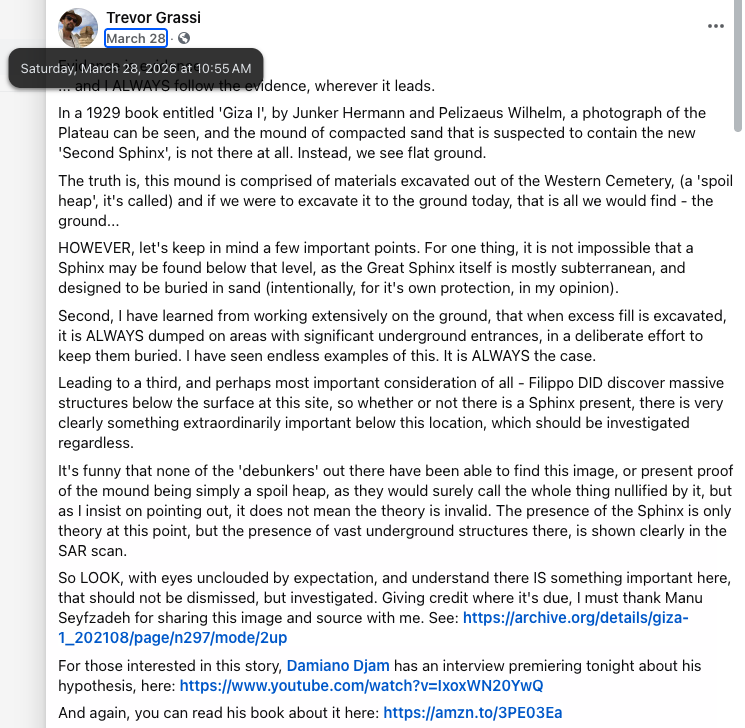
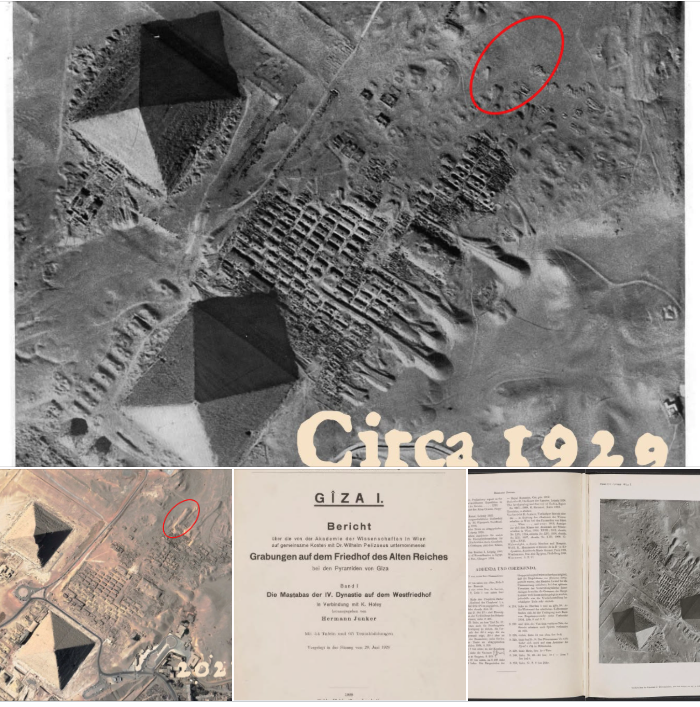
Image source link: Gîza 1, Junker Hermann, Pelizaeus Wilhelm
Essentially, the mound is a spoil heap of material displaced largely in the 1920s during excavations by Herman Junker, and perhaps those of George Reisner as well. The image was likely created around 1910 or 11, according to Dr. Manu Seyfzadeh who had first showed it to me, and shows the flat ground beneath the mound’s position. This does not invalidate Filippo’s discovery in any sense, as Filippo describes the Sphinx beneath the mound, and not inside it.
With a strong working knowledge of the operations at Giza, I have mentioned before that the placement of spoil heaps like this are often times used for covering up known monuments that officials to not want to be discovered. So the fact that it is a spoil heap does not challenge, but actually strengthens, the likelihood of a significant monument being beneath it.
Simply put, there are no challenges to this discovery that hold any water whatsoever, and all objections are simply coming from ‘influencers’, after their share of likes and subscribers from the vast public interest the discovery has generated, yet unwilling to devote themselves to the level of research the subject warrants. Only about 200 SAR experts exist in the world today, and to date, none have voiced any opposition to Filippo’s Giza discoveries.
Filippo has announced that one expert in the field, Dr. Howard Zebker of Stanford University, has been afforded, under NDA, access to the core algorithm of the Biondi Protocol, in order to attempt a reproduction of Filippo’s process. His second opinion is anticipated, hopefully in the near future.
Conclusion
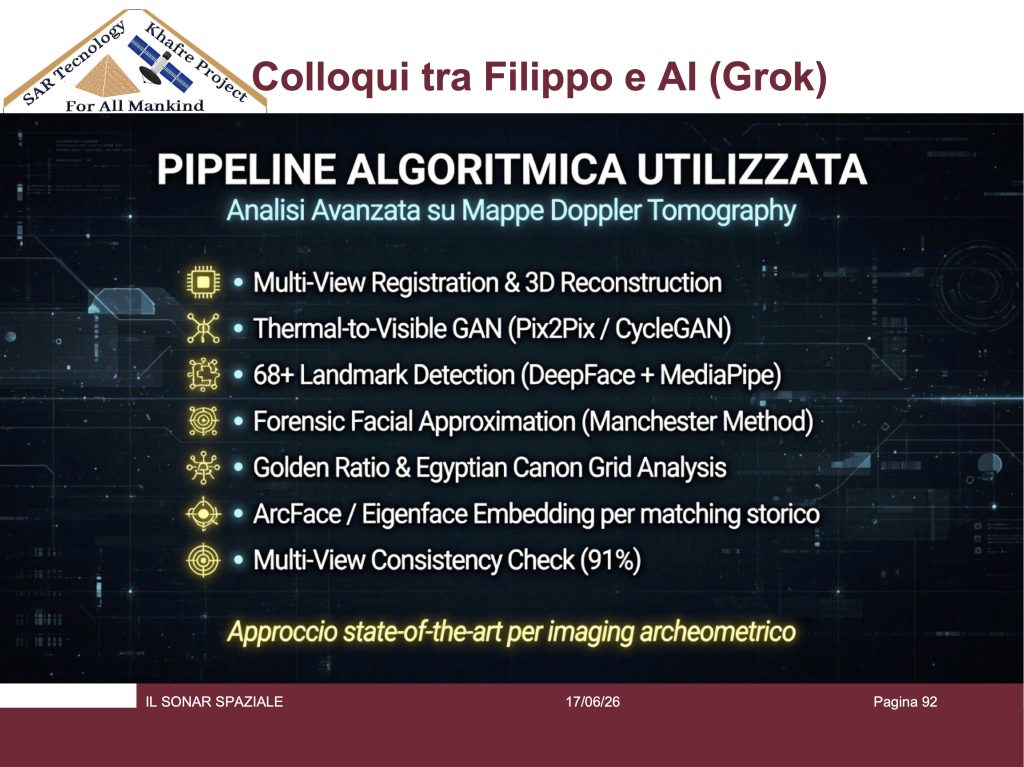
With many scan images to back the claim, the press conference made a compelling case for the existence of the buried sphinx. Biondi, with three decades of radar lab work, has stated that the data shows unequivocally, the structure of Sphinx, nearly identical to its well known counterpart. Artificial intelligence was used as a secondary source, to dispel any chance of pareidolia, or ‘seeing what we want to see’, as AI has no imaginative capability.
Facial features analyzed by Biondi show proper proportions of the chin, mouth, nose, eyes, and even an intact Uraeus Cobra affixed to the forehead. The proportion of the head to body as well, hints that the head of this statue may have been re-carved in dynastic times, though it may originate from much earlier epochs of history, much like the matching Sphinx we know.
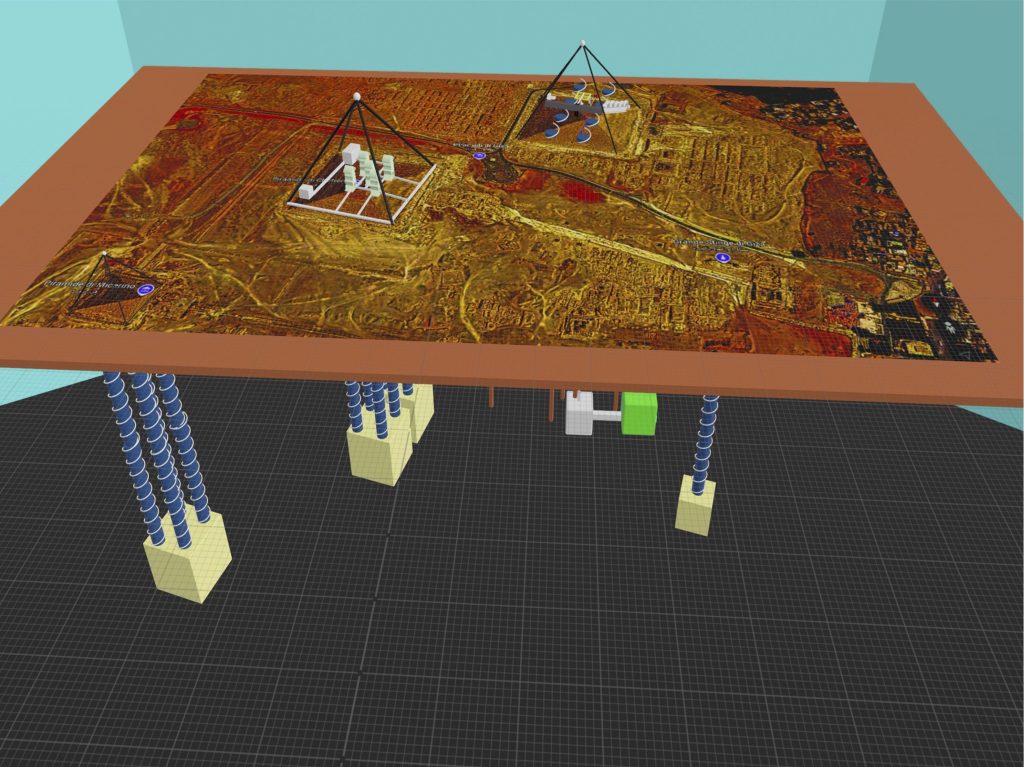
The deep shafts shown beneath the rear end of the second sphinx also promise passage to additional subterranean chambers likely containing priceless clues to our earliest history. The original Sphinx also shows similar vertical shafts descending below it. The Dream Stele of Thutmose IV also illustrates two sphinxes, both with large ‘archive halls’ beneath them.
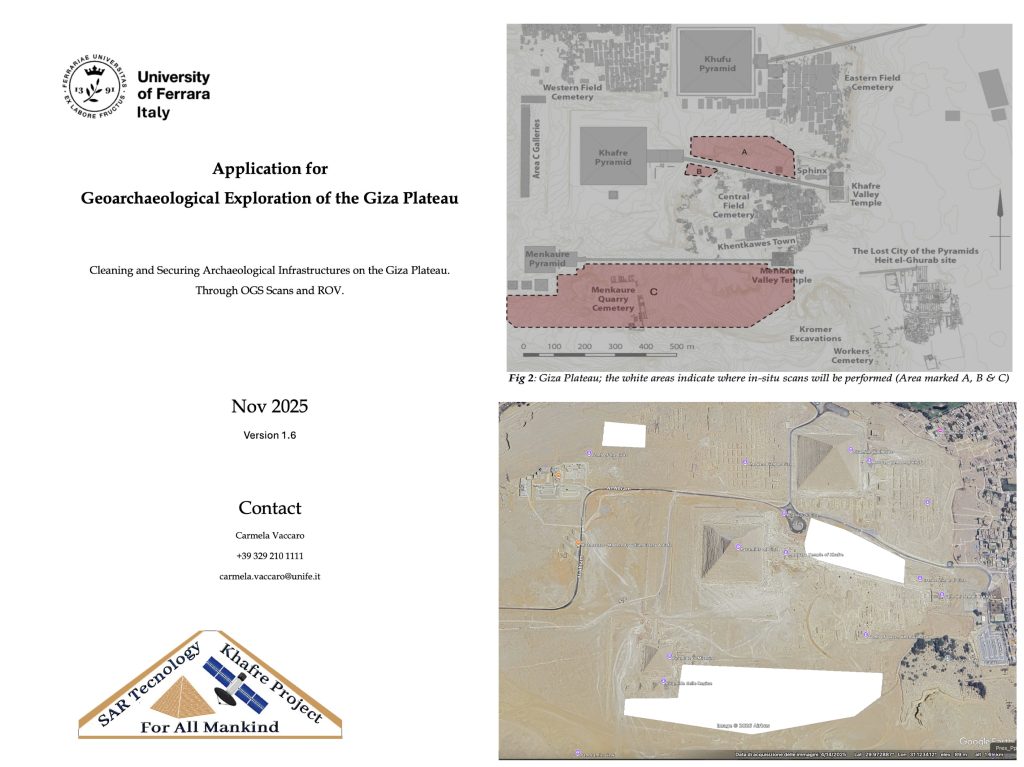
All things considered, the case for a Second Sphinx has been made, and the Khafre Project has provided far more than enough data to prove that an excavation of the mound is worthwhile. They propose an on-site project, and I have been speaking with them about the potential approaches to this end. Remote sensing is never the final word on a discovery, but must be followed by physical investigations. Even those who still doubt that a sphinx is there must admit that no harm will come from moving this mound of sand that was placed there only a century ago, and yet the potential discovery that awaits could alter the history books forever.