By Trevor Grassi, April 12, 2026
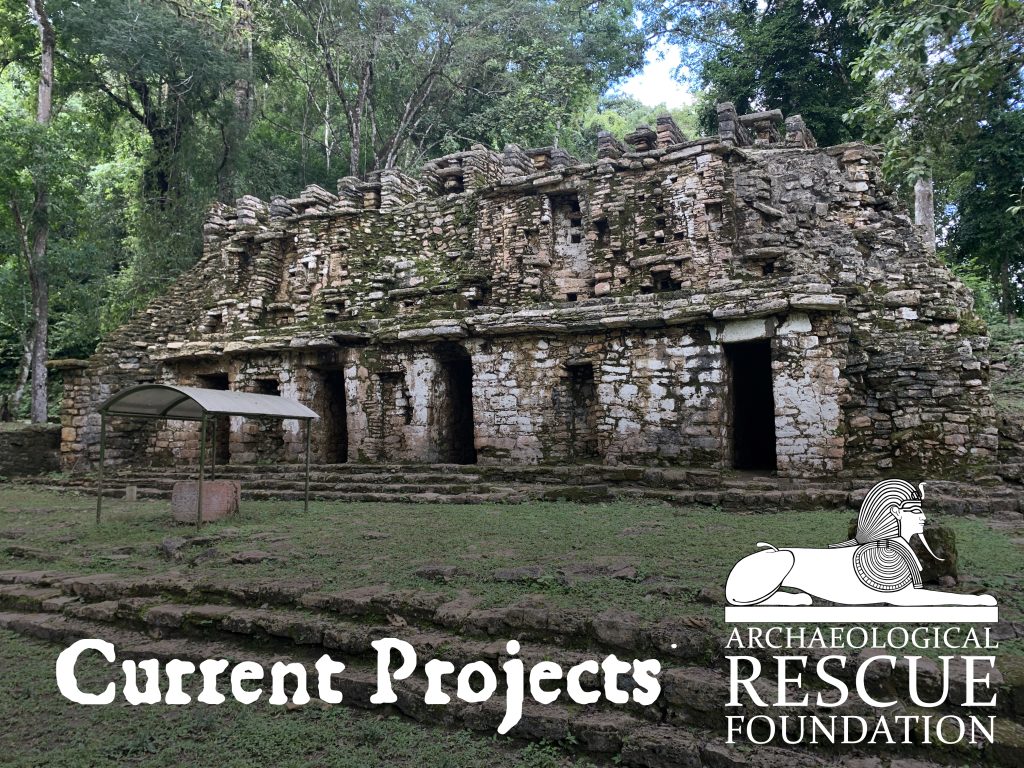
The Archaeological Rescue Foundation has compiled a long list of sites that we believe deserve further study, prioritized by several factors, including:
- risk factors posed at the site, or active damage occurring
- potential for discoveries of historical significance
- probable age of the site
- cost effectiveness for on site work
A few of these projects are briefly described below, but we will also publish full project proposals on dedicated pages, explaining exactly why and how specific sites should be preserved. Each report will include a thorough accounting of any historic references, expeditions or discoveries at the site, and explain the requirements and costs of any potential projects that could be carried out.
If you have ideas for archaeological rescue projects, you are welcome to share them with us by writing to info@archaeologicalrescue.org. We believe this mission belongs to all of humanity, and we value all suggestions. Active public engagement is key to this cause, and this is one way you can be directly involved.
The number of missions we can take on, and how effective they can be, are factors limited only by how much funding we can raise, so all grants and contributions are greatly appreciated.
ACTIVE PROJECTS:
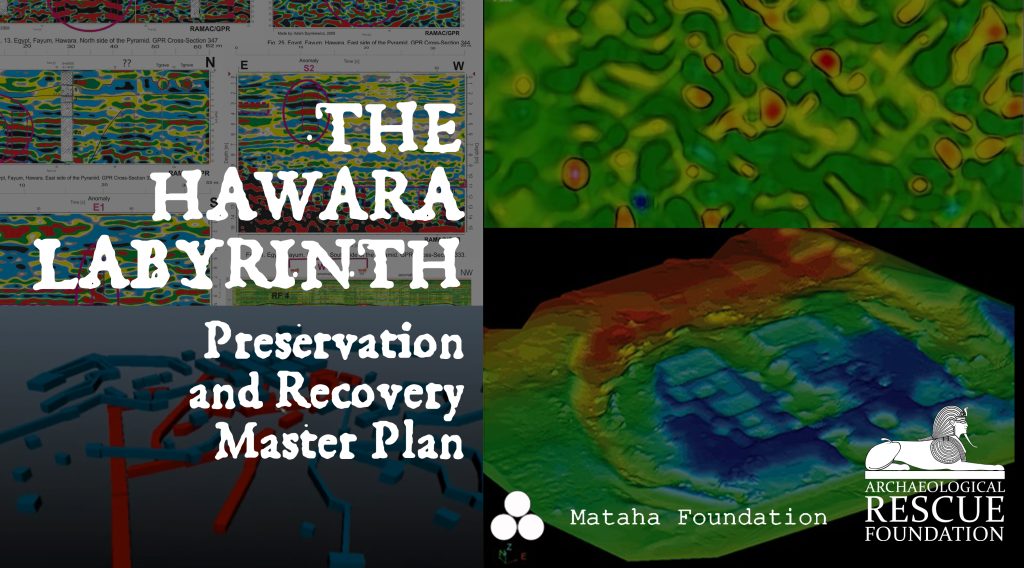
Hawara Labyrinth Project, Fayoum, Egypt [Full description here].
…
Piedras Negras/Yaxchilan, Guatemala/Mexico
The Maya called this site Yo’k’ib, meaning the ‘Great Entrance’, and it contains inscriptions in stone describing ‘the Well of Heaven’. Both are likely referencing the largest cenote in Guatemala, at the south end of the site, as the entrance to a massive underworld of caves that house very ancient artifacts or records.
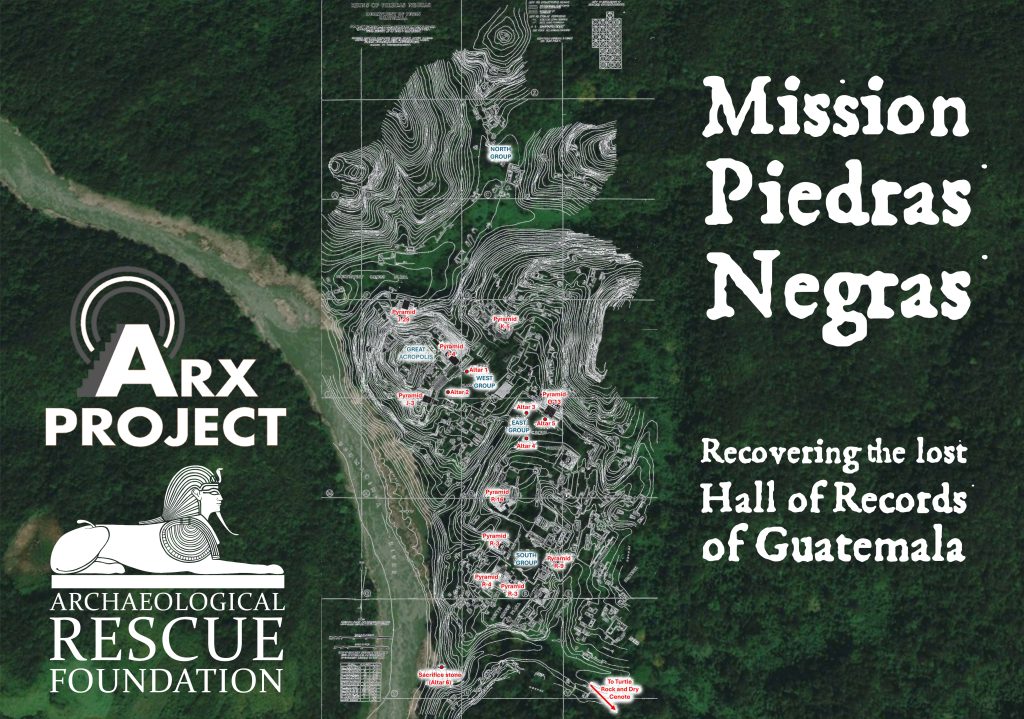
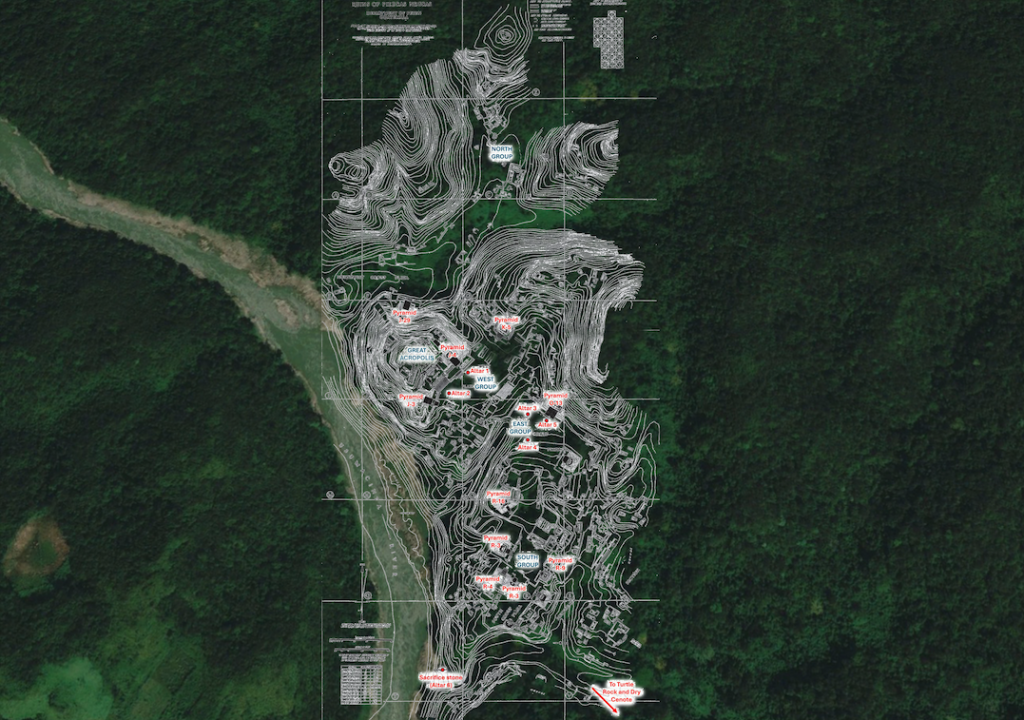
On a sacred stone known as ‘Altar 1’ at the main acropolis, Mayan hieroglyphs record an event dated 7095 BC, and another at 3114 BC, both predating the classic Maya period by many millennia.
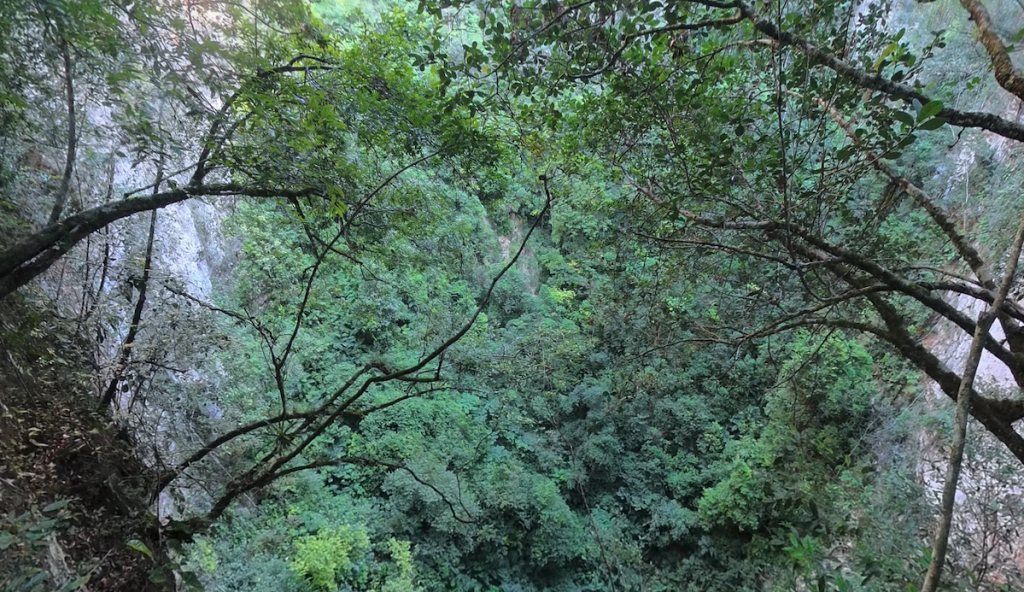
It is a sprawling pyramid complex spread over at least a seven kilometer stretch of isolated rainforest on the eastern bank of the Usumacinta River, which serves as the Mexican, Guatemalan border. Most of the pyramids are swallowed by the jungle, indistinguishable from hills heavily overgrown.
In the 1930s, renowned psychic, Edgar Cayce indicated that Piedras Negras was one of three sites where identical sets of records were stored underground around 10,500 BC, by emissary parties from Atlantis. He said that another of these three record halls was near the Great Sphinx of Giza, and the third, at the bottom of the ocean today. He referred to the Piedras Negras Hall of Records as ‘Iltar’s Temple’ and said that it would soon ‘rise again’.
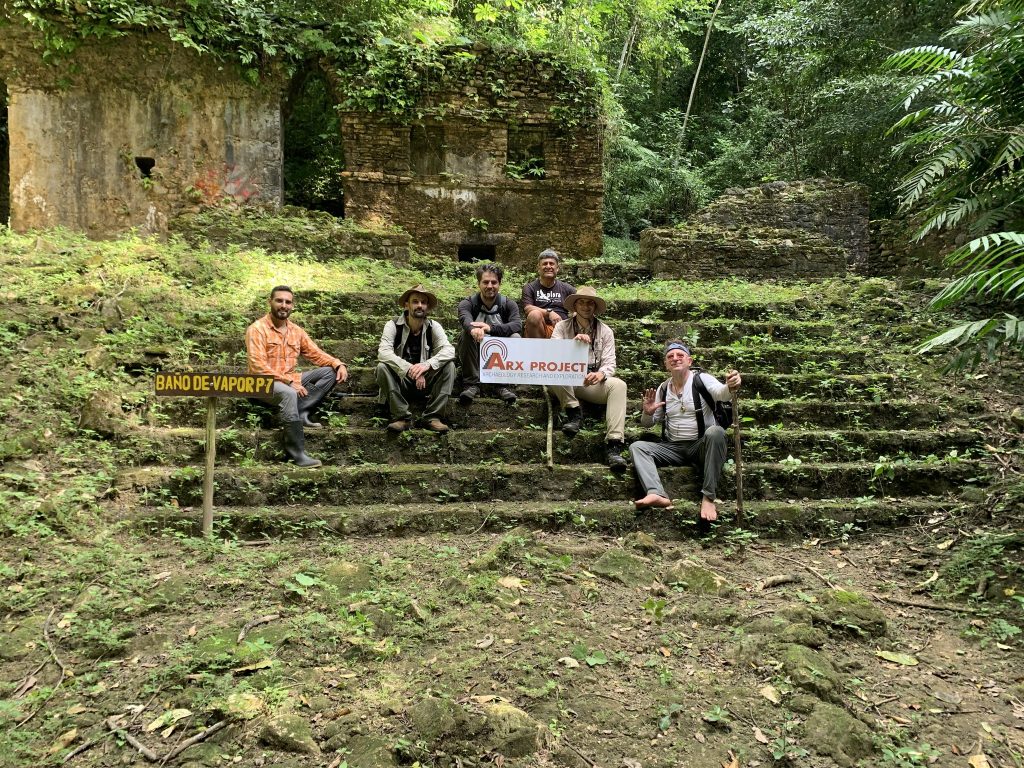
The Archaeological Rescue Foundation, in collaboration with Marco Vigato and the ARX Project (Mexico), has already completed a preliminary, on site expedition and confirmed many locations that appear to be on top of tunnel or cave entrances. We found ground holes at two locations where air was flowing outward, indicating a cave system with other outlets somewhere, which had first been noted by Greg and Lora Little. In other words…
Our first expedition was a major success! The FULL REPORT will be released soon.
After his many successful archaeological projects in Mexico, in cooperation with INAH [Instituto Nacional de Antropología e Historia], such as the discovery of the legendary underworld of the Zapotec Kings at Mitla, we hope to fund and support the ARX Project, with Marco as the director of the first geophysical survey of the site, followed by excavation, preservation and documentation of the subterranean structures and artifacts.
WEBSITE: ARX Project, Marco Vigato
ARF INTERVIEW WITH MARCO: THE SECRET UNDERWORLD OF MITLA, Lost labyrinths and record halls of Mexico
Gosford Glyphs, Kariong, Australia
Despite Egyptologists insisting that Egyptians never became a great seafaring civilization, the ARF has collected a vast body of evidence demonstrating that Egyptian ships and culture reached, and interacted with, the early cultures of Australia. In Egypt, we find ancient maps portraying Australia, plants that were seemingly imported from there, and even boomerangs. The Punt Relieves at Hatshepsut’s Temple show us incredible details of specific species of fish and squids, known to be deep sea dwellers only, proving they were crossing deep oceans, and showing us the boats that did it.
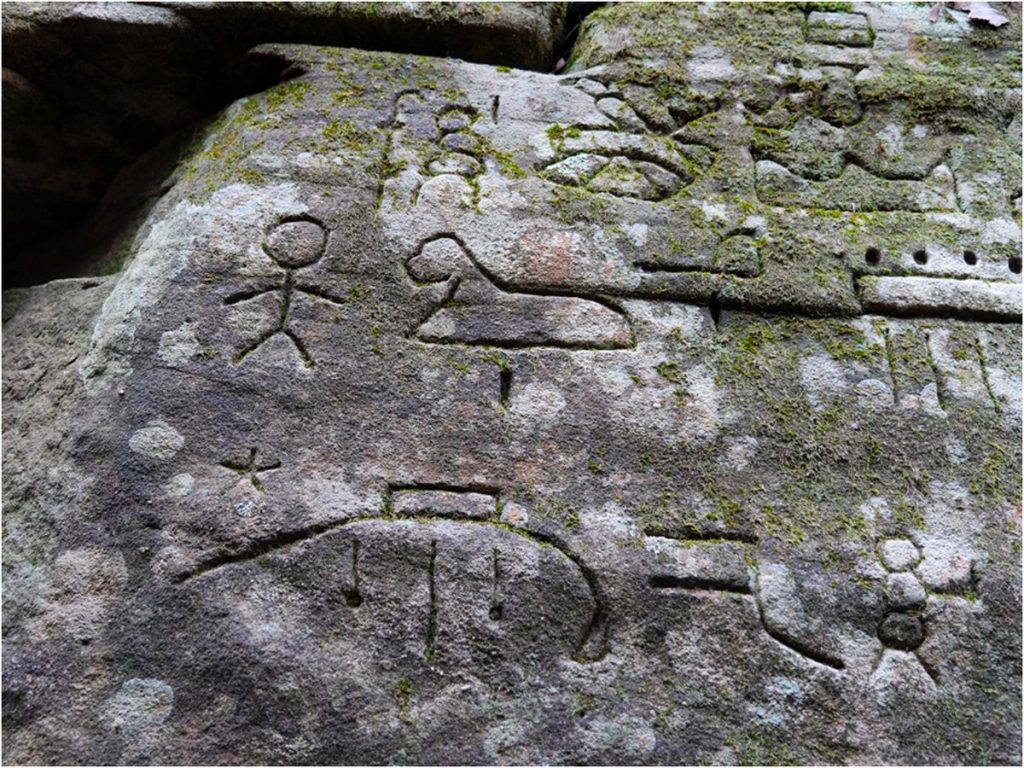
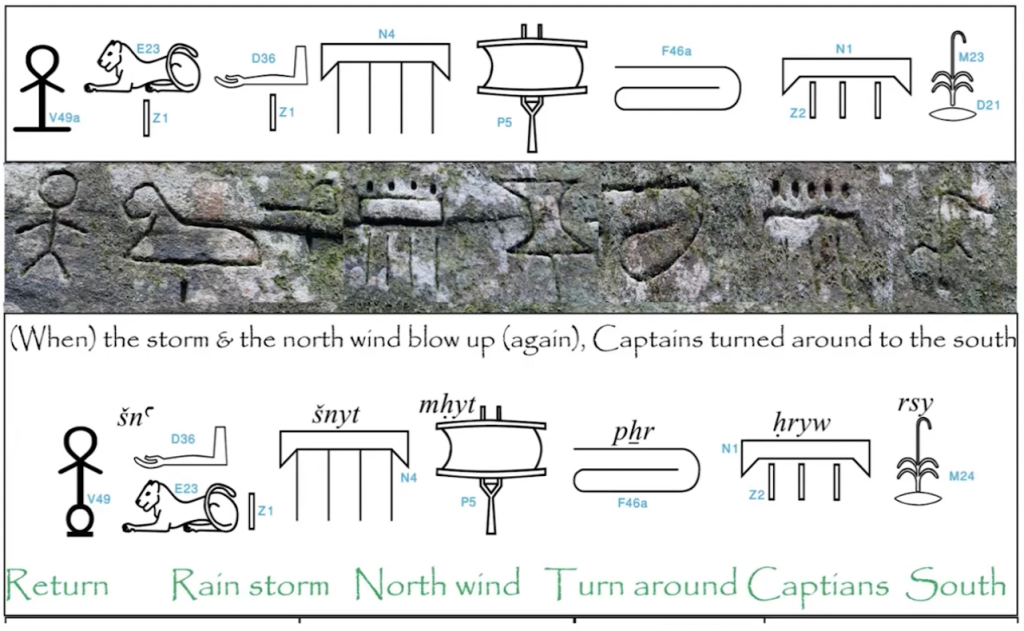
Yet no evidence is more significant than the authentic Egyptian hieroglyphs inscribed in the bedrock of Kariong, on Australia’s East Coast. Known as the Gosford Glyphs, the text was authenticated by Hieroglyphics experts, Mohamed Ibrahim and Yousef Awyan. Despite this extraordinary discovery, the site is not well known, and sadly, it has been significantly destroyed in recent years, and faces far more destruction in the near future, unless it can be saved.
The lintel stones, poised over the glyphs like a protective roof for thousands of years, have been smashed to bits and turned to rubble, now piled up at the base of the channel and covering over parts of the glyphs themselves. Official teams have been using explosives in the area and failed to offer any reasonably purpose for the inexcusable archaeological crimes. Australian authorities have a history of blatantly carrying out intentional demolition campaigns of important heritage sites, such as the Gympie Pyramid, which was deliberately disassembled block by block, and many of the stones were thrown into a nearby lake.
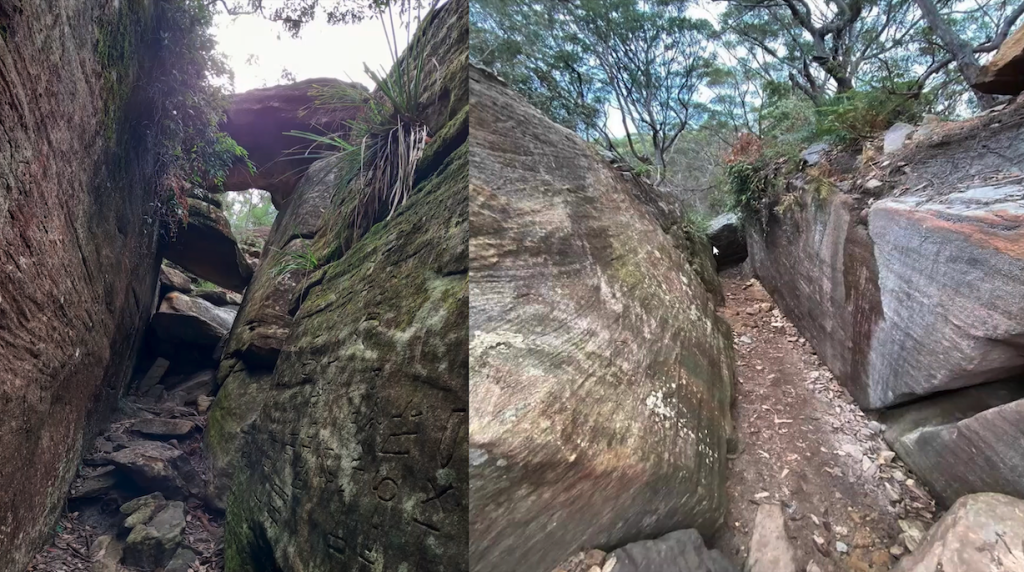
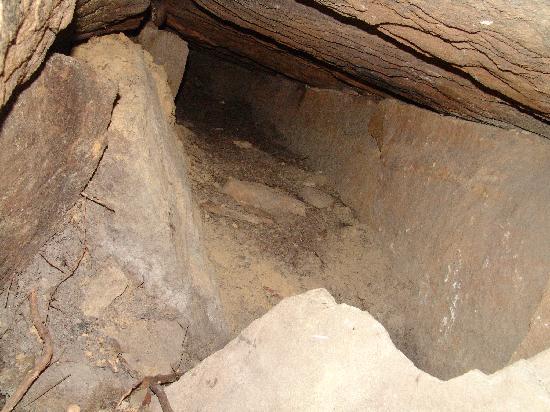
Today, the land surrounding the site still contains many priceless monuments, including underground tunnels, petroglyphs and even a star map carved into bedrock, yet it is all threatened by an encroaching building development that would destroy a large portion of this sacred land.
For this reason, ARF has been working with a local of Kariong, Vicki Burke, who has been a central coordinating figure within the peaceful resistance to this unforgivable destruction. Fighting for the protection of this land, she has helped to raise awareness in the international community of what is truly happening and has become an archaeological activist, challenging the bureaucratic decisions that so carelessly desecrate these irreplaceable treasures. The impending progress of the building development plan in 2026 makes this an extremely time-sensitive mission.
We are fighting to protect the Gosford Glyphs from further impending desctruction. All the details about this situation are explained in my interview with Vicki and Mohamed Ibrahim.
…
Some other sites or projects we are currently investigating include:
La Venta’s ‘Lost Library’, Mexico
Submerged Structures, USA Coastal Waters
JOIN the Mission!
There are countless sites throughout the world that desperately require archaeological rescue, and this list is constantly growing. This is why we are calling for philanthropists who wish to support a cause that could truly save our world, by restoring our collective memory of the past.